
Service
Casement Window Draught Proofing & Renovation in London
Timber casement windows are a feature worth keeping in many London homes – but over time they can become less comfortable to live with. If your casements are letting in cold air, rattling in the frame, or no longer closing with the snug, tight fit they once had, draught proofing is often the most practical and proportionate response. At Repair a Sash, timber window specialists in London, we work on existing timber casement windows across London, improving how they seal, how they operate, and how much cold air they let through – without the disruption and expense of full replacement.
In most cases, draught proofing works best when carried out alongside some degree of renovation. Where a casement window cannot close cleanly or sit properly against the frame, no seal will compensate. We assess the condition of each window first, carry out the renovation work that is actually needed, and then draught-proof to the standard the window now allows.
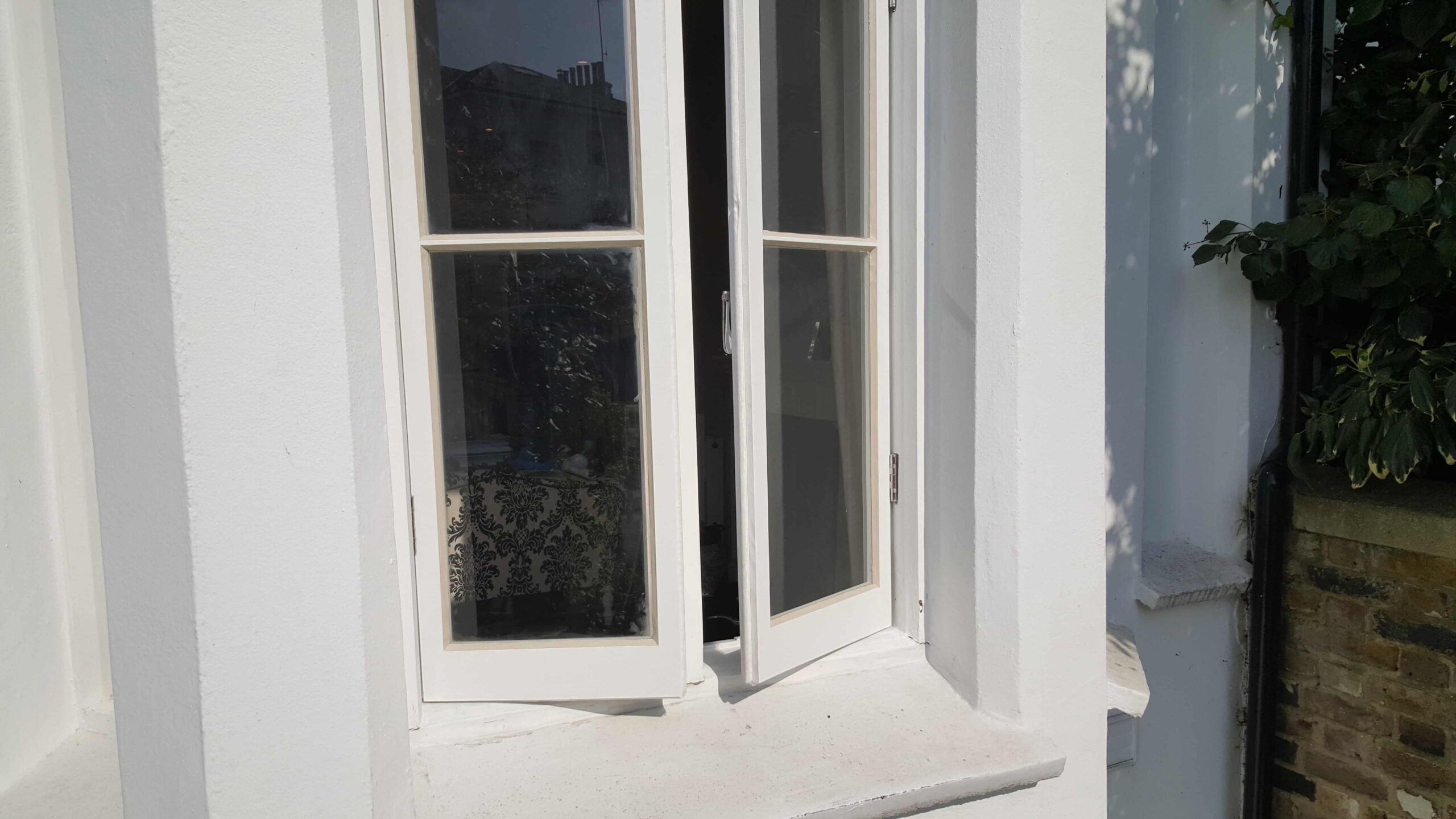
Why timber casement windows become draughty
Timber casement windows are hinged on one side and close against the surrounding frame when shut. Over time, that relationship between the opening sash and the frame deteriorates in predictable ways.
Worn meeting edges and closing faces are a common cause. As the timber compresses, weathers, and moves with seasonal changes in humidity, the surface that once closed flush against the rebate begins to leave gaps. These gaps allow cold air in and warm air out, and no amount of adjustment to the catch or stay will resolve a gap that is caused by the material itself.
Hinges, stays, and casement catches all wear with use. A hinge that has loosened will allow the sash to hang at a slightly different angle, preventing it from closing consistently in the same position. A stay or catch that is tired or misfitting cannot hold the sash firmly enough against the frame to maintain a proper seal.
Paint build-up is a particularly frequent issue in older London properties. Successive coats applied without stripping back the previous ones gradually change the geometry of the closing edge – the sash starts to bind before it is fully closed, or sits slightly proud of the rebate, leaving a gap around part of the frame perimeter. In some cases the window is propped slightly open by its own paint history.
General movement in the timber, particularly in older casements that have been through many cycles of wet and dry weather, can cause the sash to rack slightly out of square, so that it no longer fits the opening evenly. The result is a window that is tighter at one corner than another, with gaps appearing where the fit is poorest.
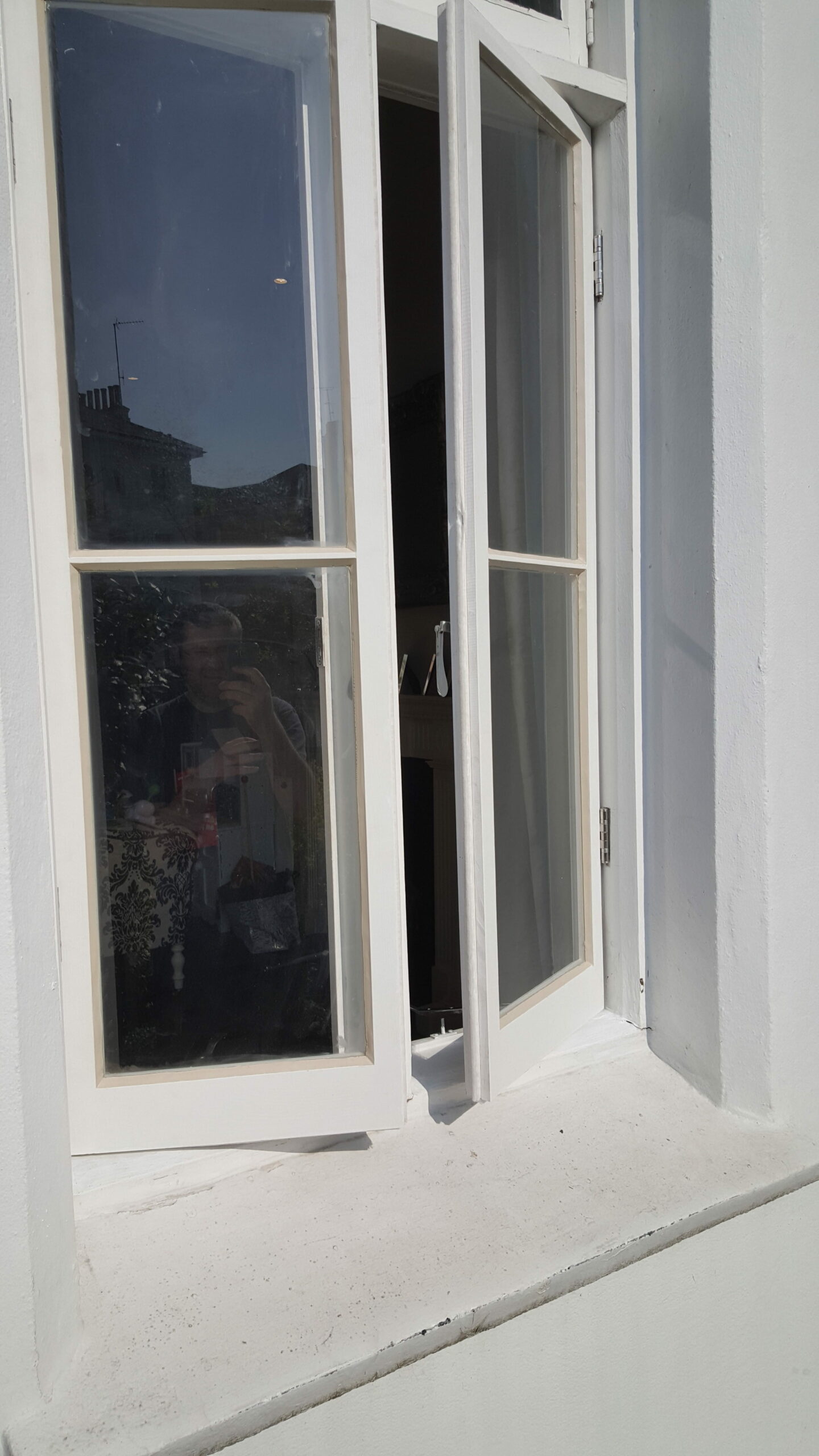
What draught proofing improves on existing casement windows
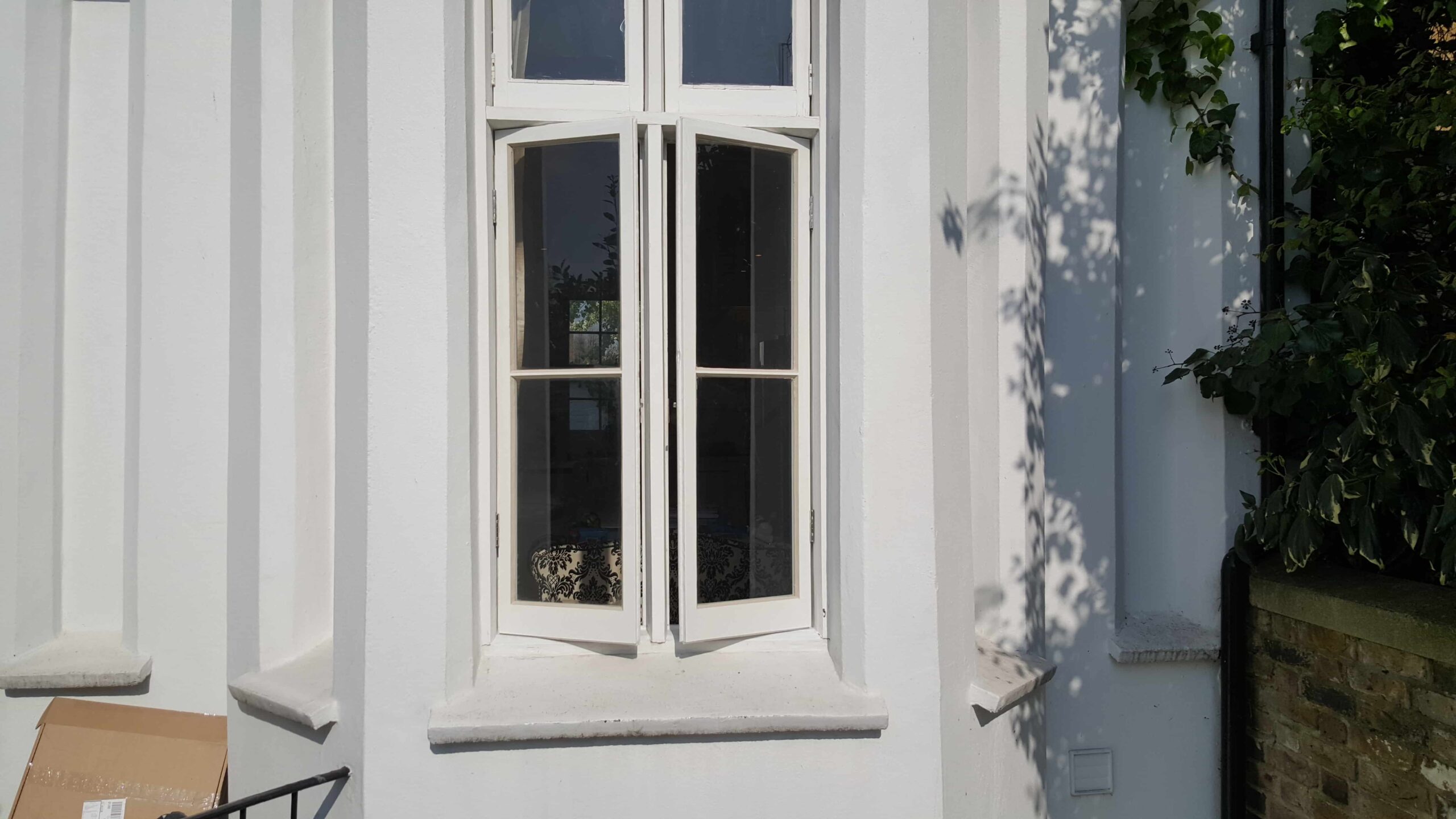
When timber casement windows are draught-proofed properly, the practical improvements are tangible. In practice, draught proofing casement windows is about improving sealing, reducing movement, and restoring a cleaner closing fit.
Cold air infiltration through the closing edges is significantly reduced. Rooms that previously became cold near the window feel noticeably warmer, particularly during autumn and winter. Heat loss through the window frame is reduced, and the heating system does not need to work as hard to maintain a comfortable temperature.
Rattling, which is typically caused by the sash sitting loosely against the frame in windy conditions, is addressed as part of the process. Where draught-proofing seals bring the sash into proper contact with the frame, the movement that causes rattling is eliminated or substantially reduced.
The closing feel of the window changes. A casement that previously closed softly and imprecisely, with an uncertain relationship to the frame, should close with a cleaner, more definite fit once the seal and the closing geometry are correct.
In rooms on busier London streets, the reduction in gaps and air infiltration can also have a modest effect on how much external noise enters the room – though this should not be confused with the acoustic performance that comes from upgrading the glazing itself.
When renovation is needed alongside draught proofing
Draught proofing a casement window that cannot close properly in the first place is unlikely to produce a lasting result. Where the sash is binding, hanging badly, or closing unevenly, the underlying cause needs to be addressed before seals are fitted.
Stiff opening, poor closing and worn fittings
Where hinges have loosened or corroded, we attend to them before draught proofing. A sash that hangs at the wrong angle will not close to the same point consistently, which means any seal fitted in one position will be ineffective in another. Similarly, a casement catch or stay that is no longer holding the sash firmly against the frame needs to be repaired or replaced so the window can be held closed properly once the seal is in place.
Paint build-up, movement and uneven fit
Where paint build-up is preventing the sash from closing fully, or where movement in the timber has caused the sash to rack slightly out of square, we carry out the necessary easing and adjustment first. This may involve stripping and planing the closing edge, or addressing minor frame distortion, before the draught-proofing work can be carried out to any useful standard.
Casement window draught proofing for period and listed homes in London
A significant proportion of our London work is in period properties – Victorian, Edwardian, and Georgian homes where the original timber casement windows are still in place and worth retaining. In these settings, draught proofing is frequently the most appropriate response to comfort and heat-loss concerns, because it improves performance without altering the character or the material of the window.
For listed buildings and properties in conservation areas, retaining original windows is often the preferred or required approach, and draught proofing can often provide a lower-impact route to improved performance. That said, if any more significant work is being considered, requirements will depend on the property and the local planning authority, and we would always recommend confirming what applies in your specific situation before proceeding.
The Repair a Sash approach to casement window draught proofing and renovation
We begin with an assessment of the windows in their current condition. We look at how each casement opens and closes, check the alignment of the sash within the frame, look at the condition of the hinges and fittings, and identify where gaps and air infiltration are occurring.
From that assessment, we give you a clear view of what level of work is actually needed. Some windows are in good enough condition for draught proofing to be carried out straightforwardly, with little or no renovation required first. Others need hinge adjustment, catch replacement, easing of the closing edge, or minor frame attention before draught proofing can be effective. We will tell you which category your windows fall into and why.
We work across London and are used to the variety of casement window types found in the city’s period housing stock. This service sits within our wider work on casement windows for London homes, and we will always advise on the most appropriate route for the condition of the existing windows.
Our advice is practical and specific to the windows in front of us – not a standard package applied regardless of condition.
When draught proofing is enough and when another option may be better
Draught proofing and renovation are the right route when the existing timber casement windows are worth keeping and the issues are limited to comfort, sealing, and everyday operation. Where the condition of the windows is more seriously deteriorated, or where homeowners want to improve thermal performance more significantly, double glazing for casement windows can offer a different route while retaining the frame. And where windows are beyond the point where improvement work makes sense, New Casement Windows may be the more appropriate solution. We will advise honestly on which is the right approach for your specific windows.
Our services
Renovation on time
and within your budget
FAQs about casement window draught proofing in London
We fit seals along the closing edges of the casement window – the surfaces that meet the frame when the window is shut. The type and position of the seal depends on the profile of the window and where the gaps are occurring. Where the sash cannot close cleanly, we carry out the necessary renovation work first so the seals can perform correctly once fitted.
The right approach depends on the cause of the draught. If the window is closing properly but the seal has simply worn away, the solution is relatively straightforward. If the window is not closing cleanly because of hinge wear, paint build-up, or timber movement, those issues need to be addressed first. A survey gives a clear picture of what is actually needed for your specific windows.
Not inevitably, but the combination of timber movement, hinge wear, and general wear at the closing edges means that casement windows in older properties often become less effective at sealing over time. Most of the common causes are addressable through draught proofing and selective renovation rather than replacement.
If the cold air is coming through the gap between the sash and the frame – the closing edge – draught proofing is the direct solution. If it is coming through the glazing putty, the glass itself, or gaps in the surrounding masonry or lintels, those are different issues that may need a different approach. We assess the source of the problem during the survey and advise accordingly.
In most cases, yes. Draught proofing that improves the performance of the window without altering its appearance or material is generally considered a low-impact intervention and can often be carried out without major consent issues. However, requirements do vary by property and local authority, and we recommend confirming any specific obligations with the relevant planning authority if you have concerns.
Book a survey for casement window draught proofing in London
If your timber casement windows are draughty, rattling, or no longer closing with the fit they should have, the most useful starting point is a survey. We will assess the condition of the windows, explain what work is needed, and give you a clear quotation – with no obligation to proceed.
Get in touch with the team to arrange a survey or to ask any questions about casement window draught proofing and renovation in London.