
Service
Double Glazed Timber Casement Windows in London
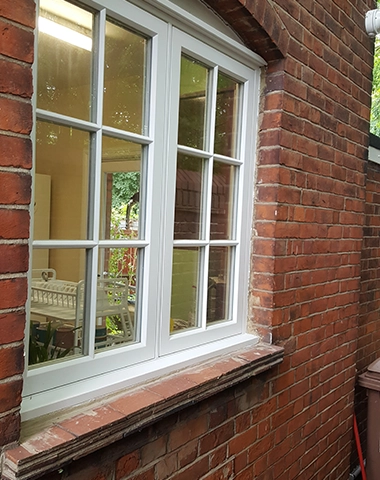
For many London homeowners with existing timber casement windows, there is a middle ground between draught proofing and full replacement that is worth understanding. Where the existing frames are still structurally sound, we can fit new double glazed timber casement windows into retained and renovated existing frames – delivering a meaningful improvement in thermal performance and comfort without the cost and disruption of manufacturing and installing entirely new windows.
At Repair a Sash, we carry out this work across London, with particular experience in period and character properties where the existing frames are worth keeping and where a full replacement might involve losing original material that is still serviceable. The result is a serious performance upgrade that respects what is already there.
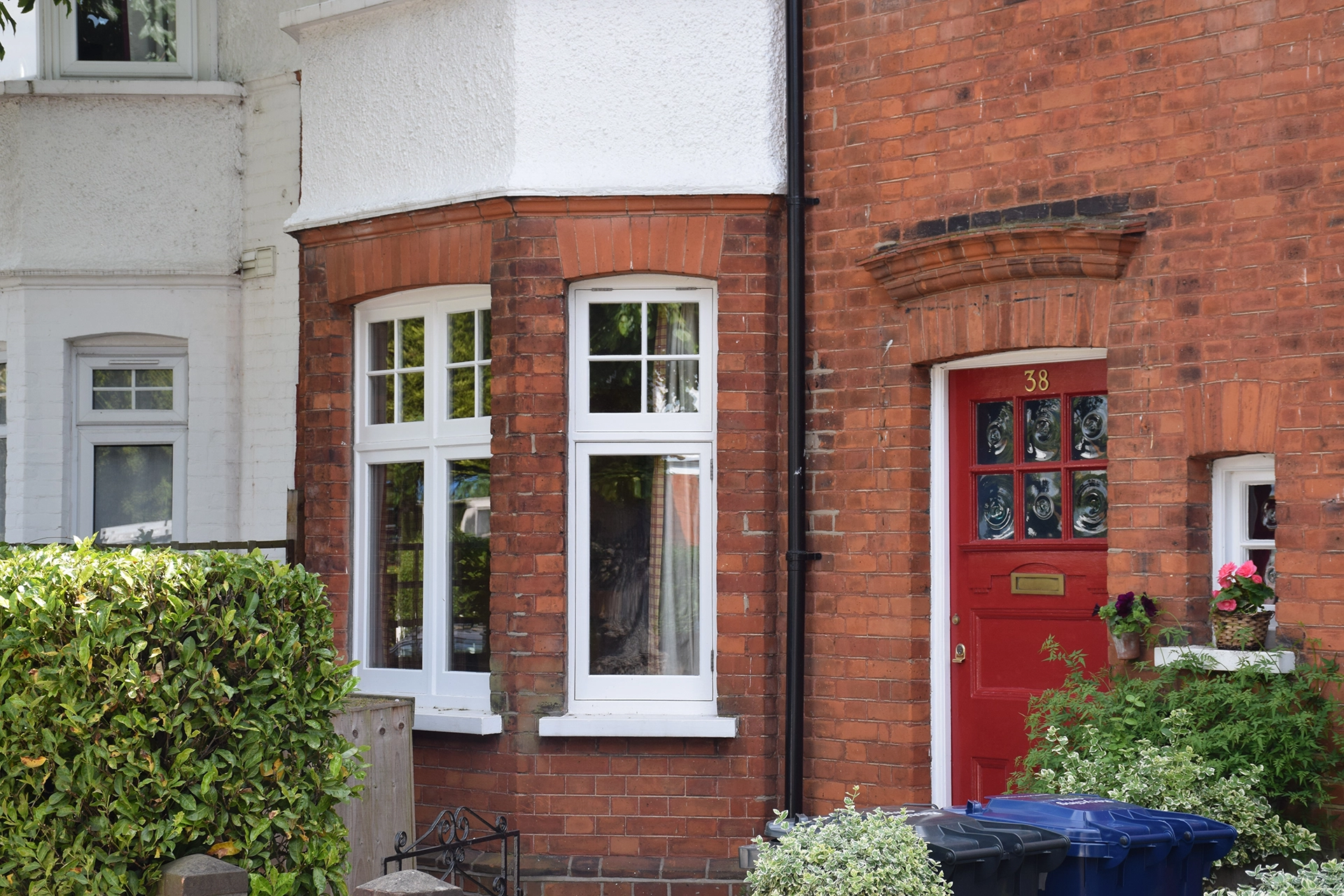
Double glazed casement windows for London homes
This service is suited to London homeowners whose existing timber casement windows are broadly sound but performing poorly in terms of heat retention and comfort. For many owners of older wooden casement windows, it offers a practical way to improve thermal performance without moving straight to full replacement.
Single-glazed casement windows lose heat readily, and while draught proofing addresses the gaps around the closing edges, it cannot change the thermal properties of the glass itself. Where the frame is still in good condition, upgrading to double glazed casement units within that frame is a more substantial improvement – and one that avoids the need to remove and replace the entire window structure.
This is a specialist route, not a generic double glazing service. We are working with existing timber frames, assessing their suitability, renovating them where needed, and manufacturing new casement units to fit the retained openings. The approach is property-led rather than product-led, and the outcome is a window that performs considerably better than the original while retaining the relationship between the frame and the surrounding building.
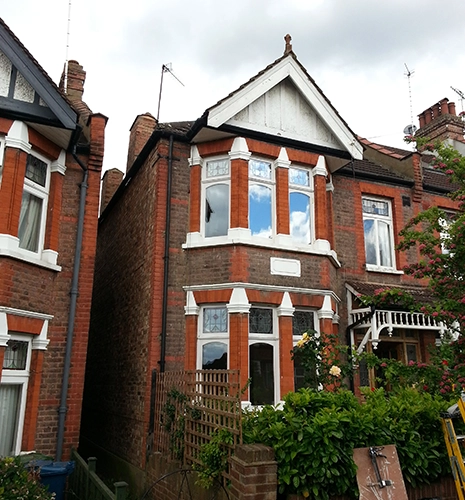
When this service is the right alternative to full replacement
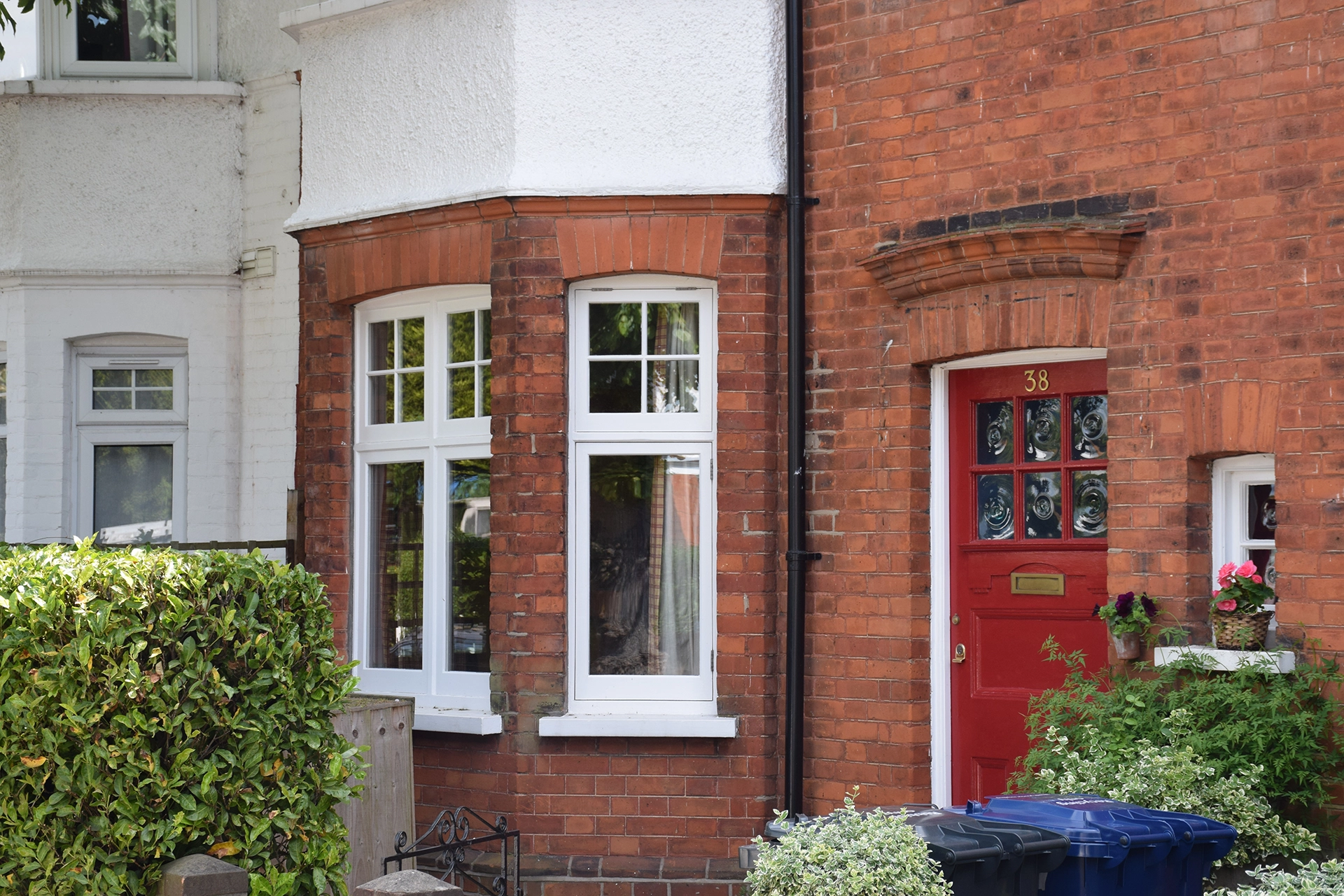
The retained-frame upgrade route sits between draught proofing and full new manufacture. Understanding when it is the right choice depends on the condition of the existing frames and what the homeowner wants to achieve.
When the existing frame can be retained
Where the timber frame is structurally sound – no serious rot, no significant distortion, and with the surrounding masonry and reveals in good order – retaining it and fitting new double glazed casement units into it is a practical and cost-effective route. The frame provides the structural opening; the new casement units provide the upgraded performance. We assess the frame carefully during the survey and are clear about whether it is genuinely suitable.
When full new casement windows may be the better route
Where the existing frame is significantly deteriorated, where rot has spread beyond what can be addressed by renovation, or where the frame dimensions and profile do not allow for a suitable double glazed unit to be fitted without compromising the sight lines or the appearance of the window, full new casement windows are the more appropriate solution. We will tell you which situation applies to your windows during the survey.
What changes and what stays the same
The clearest way to understand this service is to be precise about what is new and what is retained.
What changes is the casement unit itself – the opening section of the window that holds the glass. We manufacture new double glazed timber casements to fit the retained frame, replacing the original single-glazed opening sections with new units that carry a sealed double glazed unit within the timber casement profile.
What stays is the existing frame – the fixed outer structure that sits within the wall opening and to which the casements are hung. Where the frame needs work to bring it to the condition required for the upgrade, we carry out that renovation as part of the process. The frame is assessed, prepared, and renovated where needed so that the new casement units can be hung correctly and perform as they should.
The result is a window where the frame retains its relationship to the building and the surrounding masonry, but the casements themselves are new and double glazed.
Benefits of upgrading to double glazed timber casement windows
A warmer and more comfortable interior
The most significant practical improvement is thermal. A sealed double glazed unit insulates considerably better than a single pane of glass, and the difference in room comfort – particularly near the window on cold days – is noticeable. Rooms that previously felt cold at the window perimeter retain warmth more effectively, and the demand on the heating system is reduced as a result.
Better performance without full replacement
Retaining the existing frame avoids the more extensive disruption of full replacement. There is no need to disturb the surrounding reveals, plasterwork, or render, and the structural opening remains unchanged. For homeowners managing a period property where minimising intervention is a priority, or where budget is a consideration, this route delivers a substantial performance improvement at a lower level of disruption than a complete window change.
Improved acoustic performance where the glazing specification supports it
Double glazing can improve acoustic performance, but the result depends on the glazing specification chosen. Standard double glazing does not automatically provide a dramatic reduction in outside noise, and in some cases a different glass configuration may perform better acoustically. If reducing outside noise is a priority, we can advise on the most suitable glazing option for your property.
Preserving the character of period homes
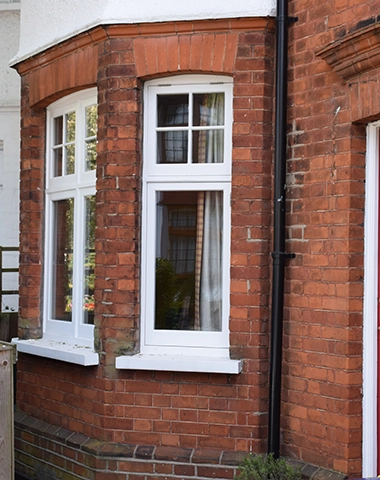
Many of the timber and wooden casement window frames we work with in London’s Georgian, Victorian, and Edwardian properties have proportions and profiles that contribute to the character of the building. Retaining those frames while upgrading the casements means the visual relationship between the window and its surroundings remains largely unchanged. The new casements are manufactured to fit the existing openings, and we take care to match profiles and finishes so the finished result looks considered rather than mismatched.
Glazing options for wooden casement windows
The glazing specification is an important decision within this service, and the right choice depends on the property, the opening, and any planning context that applies.
Standard double glazing – a sealed unit of conventional thickness – provides a clear improvement in thermal performance over single glazing and suits a wide range of casement windows where the frame depth allows for it.
Slimline double glazing uses a narrower sealed unit, suited to casement windows where the original frame profile does not accommodate a standard unit without altering the sight lines or the external appearance of the window. It is frequently the appropriate choice in period properties where maintaining the original visual proportions matters.
Vacuum glazing achieves strong thermal performance within a very narrow profile, making it worth considering where both performance and visual accuracy are priorities – particularly in heritage-sensitive settings.
Single glazing remains available where the planning context or the nature of the property makes it the required specification. We will advise on what is appropriate during the survey.
Retained and renovated frames - what that involves
Retaining the existing frame does not mean the frame is left untouched. Before new double glazed casement units can be fitted, we assess the frame thoroughly: checking for any rot, assessing the condition of the joints and fixings, looking at how the frame sits within the opening, and identifying any preparation work needed to ensure the new casements can be hung correctly and close cleanly.
Where the frame needs renovation work – cleaning back, treating, repairing localised damage, or adjusting the rebate to accommodate the new unit – we carry that out as part of the installation process. The renovation is not a separate phase; it is part of making the retained-frame route work properly.
Double glazed casement windows for listed and conservation properties in London
For properties in conservation areas or those that are listed, the retained-frame route can often be a more sympathetic approach than full replacement, because it avoids the more significant intervention of removing and replacing the entire window structure. That said, the glazing specification itself – particularly the profile and thickness of the unit – may be subject to planning requirements, and what is acceptable will vary between properties and local authorities.
We are experienced in working with homeowners in heritage-sensitive situations across London, and can specify slimline or vacuum glazing where a narrower profile is appropriate to the context. We are happy to advise on what is likely to be relevant for your specific property, and we always recommend confirming any consent requirements with your local planning authority before work begins.
Our double glazed casement window upgrade process
Free survey and frame assessment
We begin with a free, no-obligation visit to the property. We assess the condition of the existing frames, check whether the retained-frame route is suitable, and discuss what the homeowner wants to achieve in terms of performance and appearance.
Measuring and matching the existing windows
Where the service is appropriate, we take precise measurements of the existing frame openings and record the profile and rebate details so that new casement units can be manufactured to fit accurately and to match the existing window character as closely as possible.
Timber, glazing, and finish selection
We guide you through the timber species, glazing type, and finish options, recommending the combination that best suits your property, the planning context if relevant, and your priorities. Timber options include Accoya, Red Grandis, Oak, and Engineered Redwood, depending on the application and budget.
Manufacture of the new casement units
New double glazed casement units are manufactured to the confirmed specification and dimensions. Each set is made for the specific openings of your windows, not adapted from a standard range.
Installation into the retained frame
We fit the new casement units into the retained and renovated frames, ensuring correct hanging, smooth operation, and effective weather sealing throughout.
Final checks and guarantee
Once installation is complete, we check that every casement opens, closes, and locks correctly, and that the seal against the frame is consistent. All our work is fully guaranteed.
Our services
Renovation on time
and within your budget
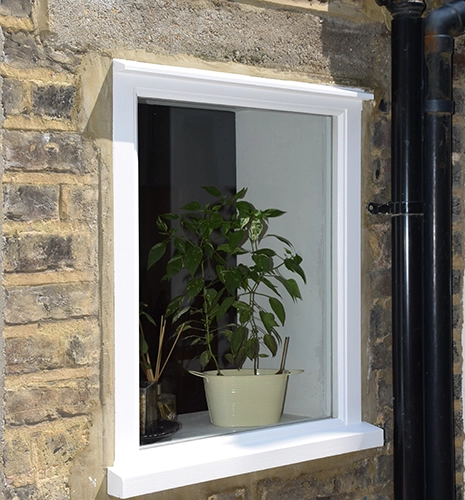
FAQs about double glazed casement windows in London
Yes, in most cases. Where the existing frame is in suitable condition and the rebate depth allows for an appropriate glazing unit, new double glazed casement units can be fitted into the retained frame. A survey confirms whether your specific windows are suitable for this route.
Yes, where the existing frame is structurally sound. We assess the frame during the survey and confirm whether it is suitable to retain. Where it is, we manufacture new double glazed casements to fit it, carrying out any renovation work the frame needs as part of the process.
Standard double glazing typically uses a fuller-depth 24mm sealed unit, while slimline double glazing, between 11-16mm, uses a narrower unit with slimmer sight lines, which is better suited to casement windows where original proportions and sight lines need to be preserved more closely. For period properties, slimline is often the more appropriate choice.
It can, but the result depends on the glazing specification chosen. Standard double glazing does not automatically provide a dramatic reduction in outside noise, and in some cases a different glass configuration may perform better acoustically. If reducing outside noise is a priority, we can advise on the most suitable glazing option during the survey.
Retaining the existing frame typically involves less material and less disruption than full replacement, which generally makes it a more economical route where the frame is suitable. The actual cost depends on the number of windows, their condition, and the glazing specification chosen. We provide a clear quotation following the survey, with no obligation to proceed.
It can be, and the retained-frame route is often viewed more favourably in heritage-sensitive contexts than full replacement, because it avoids more significant structural intervention. However, the glazing specification may be subject to planning requirements, and what is acceptable varies by property and local authority. We are happy to advise on your situation, and we always recommend confirming any specific consent requirements with the relevant planning authority before proceeding.
Book your free survey
If you are considering upgrading your existing timber casement windows to double glazing in London, the clearest starting point is a free, no-obligation survey. We will assess the condition of your frames, confirm whether the retained-frame route is suitable, and give you an honest recommendation on the best way forward – whether that is this service, draught proofing and renovation, or full new casement windows.
Contact the team to arrange your survey or to ask any questions about double glazed casement windows in London.