
The right glass for a sash window depends on the condition and construction of the existing sashes, what you want to improve and whether the property is subject to heritage or planning constraints. A damaged pane can often be replaced without replacing the whole window, while suitable timber sashes may sometimes be upgraded from single glazing to slimline double or vacuum glazing.
This guide explains the main sash window glass types, how the glazing options differ and what needs to be considered before replacing or upgrading the glass.
Can you replace the glass in a sash window?
Yes, in many cases the glass in a sash window can be replaced without replacing the whole window. If the timber sash is still in good condition, a broken or damaged pane can usually be removed and replaced with suitable new glass. A like-for-like replacement is often the simplest and most cost-effective option, particularly when retaining the original appearance of the window is important.
It may also be possible to upgrade an existing single-glazed sash, but this depends on the construction and dimensions of the sash. The thickness and weight of the new glass, the depth of the glazing rebate and the existing counterbalance system all need to be considered. Where the original box frame is being retained, the available sash thickness can also determine which glazing options are suitable.
Replacing the glass alone may not be appropriate if the sash has significant decay, loose joints or insufficient strength to support the proposed glazing. In these cases, the timber may need to be addressed through sash window repair first. Where the existing box frame remains structurally sound but the original sashes are unsuitable for the proposed upgrade, new double-glazed sashes may be manufactured and fitted within the retained frame. The most suitable approach should therefore be decided after the condition and construction of the window have been assessed.
Related reading: 5 Advantages of Traditional New Sash Windows – a broader look at the practical and aesthetic benefits of full window replacement.
What types of glass can be used in sash windows?
Several types of glass can be used in timber sash windows, but not every option is suitable for every window. The right choice depends on whether the existing sashes are being retained, the depth of the glazing rebates, the weight that the counterbalance system can support and the level of thermal, acoustic, safety or privacy performance required. The appearance and heritage significance of the property may also limit which glazing options are appropriate.
Traditional and modern single glazing
Single glazing remains common in original and period sash windows, particularly where retaining the existing joinery, slim glazing bars and traditional appearance is the priority. It is also often the most straightforward option for the like-for-like replacement of a broken or cracked pane.
The two most relevant options are architectural salvage glass and modern float glass. Architectural salvage glass may be selected to match surviving period panes and their natural waves, blemishes and variations. As it is a specialist product, its availability, thickness, appearance and cost need to be considered for each individual window.
Modern 4mm float glass is a widely used and relatively lightweight option that can be accommodated within many existing timber sashes without unnecessarily overloading the counterbalance system. It is suitable for straightforward like-for-like replacement, but its thermal and acoustic performance remains limited compared with insulated glazing.
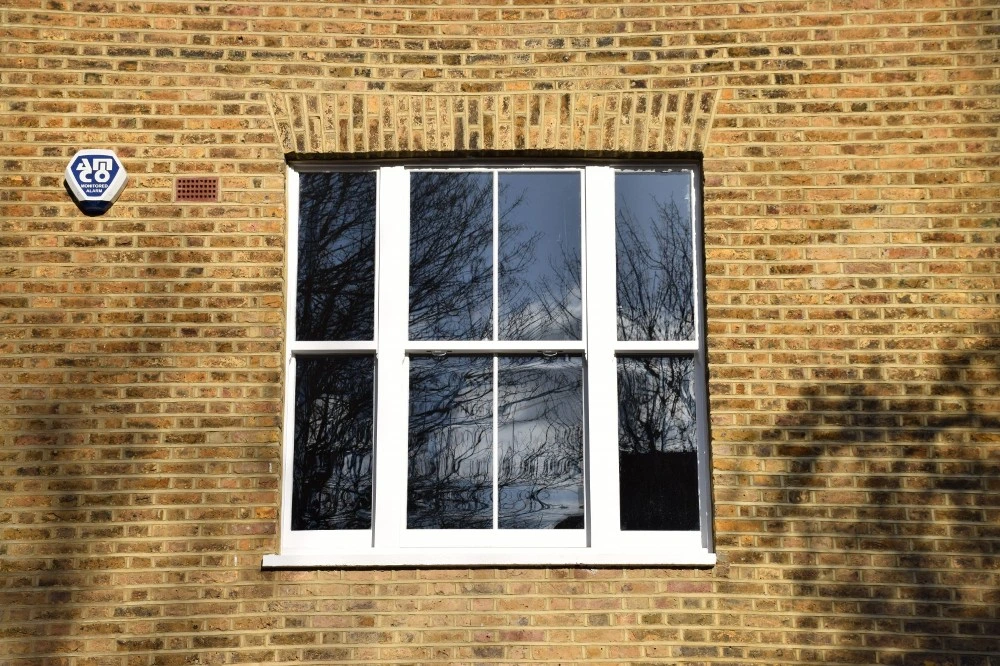
Where single glazing is retained, sash window draught proofing and renovation can improve comfort by reducing air leakage through gaps around the moving parts of the window. It does not change the performance of the glass itself, so it should be viewed as a complementary improvement rather than an equivalent to double glazing.
Laminated safety glass
Laminated glass is made from two or more sheets of glass bonded together with an interlayer. If the pane is broken, the interlayer helps hold the fragments in place, reducing the risk of loose sharp pieces and making it more difficult to create an open gap through the window.
A commonly used specification is 6.4mm laminated safety glass. This can be considered where improved safety is required, although the exact glass build-up should always be selected according to the position of the window, the required performance and the construction of the sash.
Laminated glass is thicker and heavier than standard 4mm float glass, so it cannot automatically be fitted into every existing sash window. The depth of the glazing rebate, the strength and dimensions of the timber sash and the counterbalance system must all be checked before the final specification is agreed.
Acoustic laminated glass
Acoustic laminated glass uses a specialist interlayer designed to reduce the transmission of sound through the pane. It may be considered for sash windows exposed to road traffic, aircraft, railways or other persistent external noise.
This type of glass can be used on its own or incorporated into a double-glazed unit. As noted in the original specification, pairing acoustic laminated glass with an appropriately designed double-glazed unit may provide a higher level of noise reduction. Depending on the selected composition, the acoustic laminated pane can be approximately 10mm thick, which increases both the overall weight and the cost of the installation.
The additional weight may require changes to the counterbalance system, while the glazing rebate and the strength of the timber sash must also be assessed. Acoustic laminated glass can improve both acoustic performance and resistance to forced entry, but the final result depends on the complete glazing specification, the quality of installation and the amount of air leakage around the moving sashes.
Obscured and patterned glass
A 4mm obscured or patterned glass pane may be used where greater privacy is required without completely blocking natural light. Patterns and textures make the glass less transparent and can provide different levels of obscuration, ranging from lightly distorting the view to revealing little more than outlines or silhouettes.
This option may be suitable for bathrooms, entrance areas and sash windows facing neighbouring properties. Obscured glass is not automatically safety glass, so where a safety specification is required, an appropriately toughened or laminated patterned product should be selected. Its thickness and weight must also remain compatible with the sash and counterbalance system.
Toughened safety glass
A 4mm toughened glass pane may be considered where single glazing is to be retained but greater resistance to impact and safer breakage behaviour are required. The glass is heat-treated to increase its strength and, if it breaks, it fragments into relatively small, blunt-edged pieces rather than the longer sharp shards associated with ordinary float glass.
Because a 4mm toughened pane can retain the same nominal thickness as standard 4mm float glass, it may be possible to fit it into a suitable existing sash without significantly changing the glazing arrangement. However, the dimensions and weight of the pane and the condition of the counterbalance system should still be checked rather than assuming that rebalancing will never be required.
Toughened glass must be manufactured to its final size and specification, as it cannot normally be cut or altered after the toughening process.
Standard double glazing
Double glazing consists of two panes of glass separated by a sealed cavity, which is normally filled with air or an inert gas. The cavity acts as an insulating layer, reducing the transfer of heat through the glass and helping the internal pane remain warmer than it would with single glazing.
A 4mm–16mm–4mm double-glazed unit is one of the commonly used configurations for modern timber windows. It consists of two 4mm panes separated by a 16mm cavity. Where complete new sash windows are installed, draught proofing is included as part of the overall window specification.
Where only the moving sashes are being replaced and the original box frames are retained, the available sash thickness helps determine the overall thickness of the glazing unit. A standard 4–16–4 unit may therefore be suitable for newly manufactured sashes, but it cannot necessarily be accommodated within slim original sashes or narrow traditional glazing bars.
Slimline double glazing
Slimline double glazing uses a narrower sealed unit where the proportions of traditional sash windows, slim glazing bars or restricted glazing rebates need to be preserved more closely. The final thickness of the unit depends on the dimensions of the sash, the glass types selected and the thermal, acoustic and safety performance required.
Different pane specifications can be incorporated, including laminated, acoustic, toughened or patterned glass. The unit may also include a warm-edge spacer in a colour selected to suit the appearance of the window, while the cavity can be filled with an inert gas such as Krypton or Xenon to improve thermal performance within a relatively narrow space.
Xenon can provide higher thermal performance in a narrow cavity, although it is usually the more expensive option. In some specifications, increasing the cavity from approximately 4mm to 6mm and using Krypton instead may achieve a comparable level of thermal performance at a lower cost. The exact result depends on the complete glazing build-up rather than the gas or cavity width alone.
Vacuum glazing
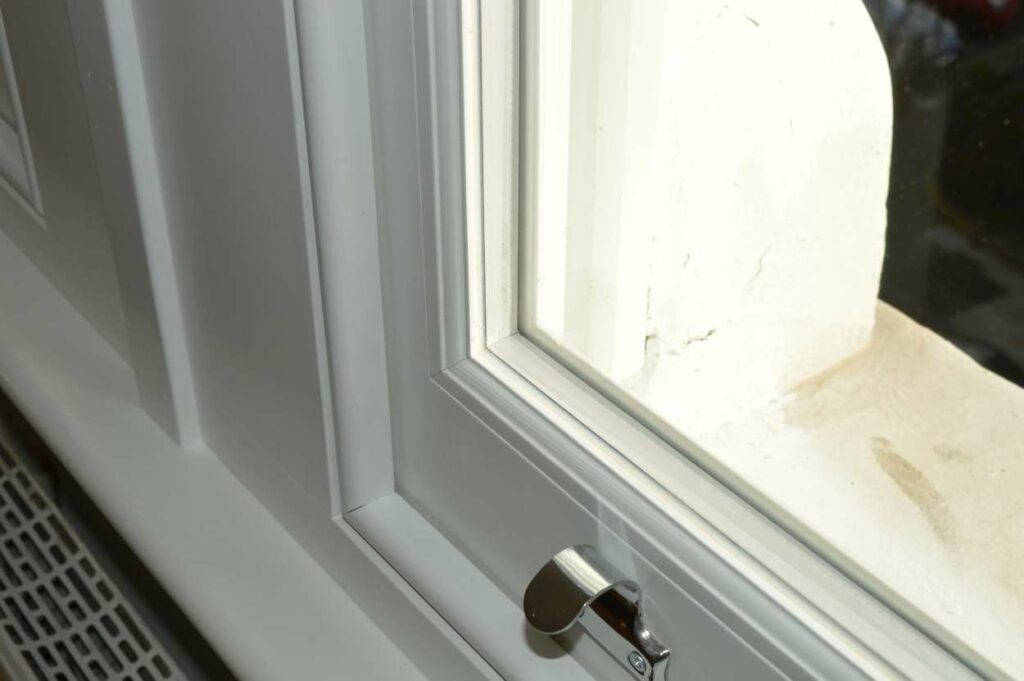
Vacuum glazing consists of two panes separated by a very narrow evacuated space rather than the wider gas-filled cavity used in conventional double glazing. This allows a relatively slim unit to provide strong thermal performance, which can make it particularly useful where the proportions of a traditional sash window need to be retained.
It may be considered for new sashes fitted into retained box frames, heritage-sensitive properties or windows where a deeper standard double-glazed unit would alter the glazing bars and overall appearance too significantly. Despite its slim profile, the unit still has its own weight, edge-seal and installation requirements, so the sash construction and counterbalance system must be designed or adjusted for the selected product.
Vacuum glazing is generally a more specialist and costly option than conventional double glazing. Whether it is the most appropriate choice depends on the property, planning context, required performance and available budget.
Triple glazing for sash windows
Triple glazing uses three panes of glass and two sealed cavities, which may be filled with inert gases such as Argon, Krypton or Xenon. The additional pane and cavity can improve thermal performance and may also increase resistance to external sound when the complete glazing specification is designed appropriately.
Triple glazing is considerably thicker and heavier than single or double glazing, which can make it difficult to accommodate within traditional timber sashes and narrow glazing bars. It may require purpose-made new sashes, stronger construction and changes to the counterbalance system rather than a straightforward upgrade of the original sash.
In some installations, triple glazing may add around 25% to the cost compared with an equivalent double-glazed option. Whether the additional cost is justified depends on the required thermal and acoustic performance, the construction of the window and whether the appearance and proportions of the original sash can be retained.
How do you choose the right sash window glass?
The right sash window glass is not necessarily the thickest or highest-performing option available. The choice should balance thermal and acoustic performance, safety, privacy, appearance, cost and compatibility with the existing timber sash. The condition of the joinery, the depth of the glazing rebates and the weight that the counterbalance system can support must all be considered before the glass is specified.
Thermal performance
Thermal performance is commonly expressed through a U-value, which indicates the rate at which heat passes through the glass or the complete window. A lower U-value means slower heat transfer and better insulation.
As an indicative example used in the existing Repair A Sash technical notes, a timber window with single glazing has a U-value of approximately 4.8. Those notes suggest a reduction of around 0.1 for each additional millimetre of glass, meaning that replacing 4mm glass with a 10mm pane may reduce the value to approximately 4.2. These figures should not be treated as a universal formula, because the actual result also depends on the glass composition, coatings, cavities, gas filling, spacer, frame, seals and quality of installation.
Increasing the thickness of a single pane may provide some improvement, but it does not make single glazing thermally equivalent to a properly specified double- or vacuum-glazed unit. The complete construction of the glazing system is more important than glass thickness alone.
Noise reduction
The number of panes alone does not determine how well a sash window reduces noise. Acoustic performance also depends on the thickness and composition of the glass, whether the panes have different thicknesses, the width of the cavity, the use of an acoustic laminated interlayer and the amount of air leakage around the moving sashes.
For persistent road, rail or aircraft noise, an acoustic laminated pane or a carefully designed double-glazed unit may perform better than a standard triple-glazed unit made from three panes of equal thickness. Draught proofing can also reduce sound passing through gaps around the sash, although it does not alter the acoustic performance of the glass itself.
For the wider whole-window decision, see our sash window noise reduction guide, which compares draught proofing, new glazed sashes in a retained box and complete acoustic timber windows.
Safety and security
Safety and security are related but not identical requirements. Toughened glass is primarily selected for its increased resistance to impact and its safer breakage pattern, while laminated glass retains broken fragments against its interlayer and can make it more difficult to create an open gap through the pane.
The appropriate specification depends on the position of the window, the risk of accidental human impact and the required level of resistance to forced entry. A 4mm toughened pane or 6.4mm laminated pane may suit some single-glazed sash windows, but the final choice must also account for the glazing rebate, sash construction, pane dimensions and any applicable safety-glazing requirements.
Where higher security is required, simply specifying glass as laminated does not automatically confirm a particular resistance-to-attack rating. The complete product specification and classification should be checked before installation.
Privacy and appearance
For windows where privacy is important, obscured or patterned glass can limit the view through the pane while still allowing natural light into the room. The chosen pattern should reflect the required level of obscuration, as some products only distort detail while others reveal little more than outlines and silhouettes.
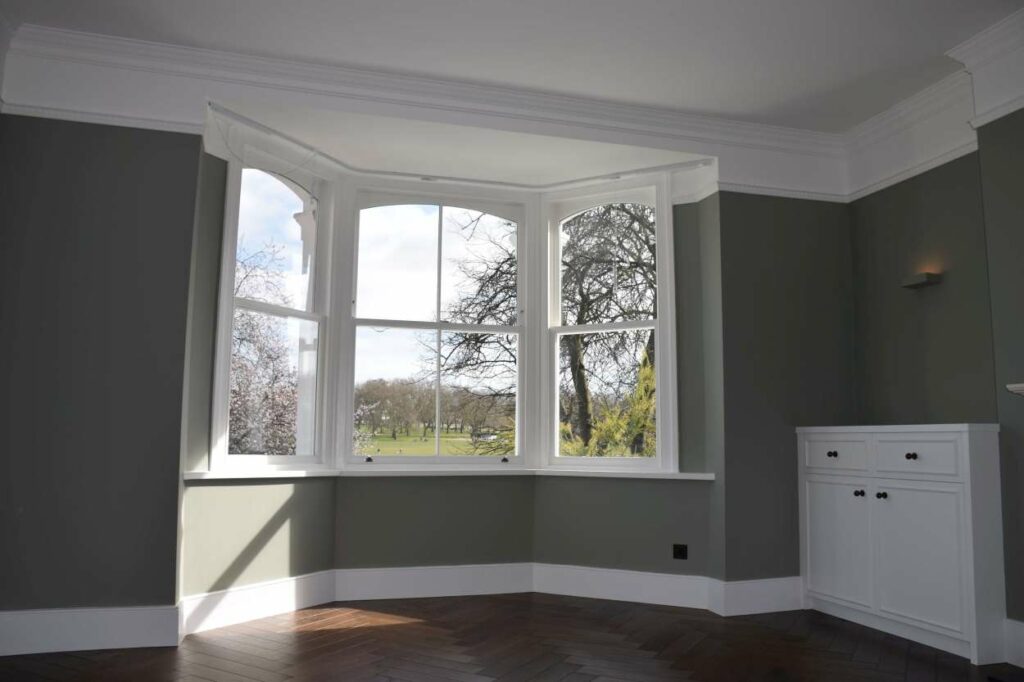
Appearance is particularly important in traditional sash windows. The colour, reflection, edge detail and visual flatness of modern glass can differ from surviving historic panes, while thick sealed units may change the proportions of glazing bars and sightlines. Architectural salvage glass, suitable modern reproduction glass, slimline double glazing or vacuum glazing may therefore be considered where retaining the established character of the window is a priority.
Where privacy and safety are both required, the selected obscured glass should also have an appropriate toughened or laminated specification rather than assuming that every patterned pane is safety glass.
The weight and construction of the sash
The weight of the proposed glass is one of the main practical limits when upgrading a sash window. Laminated, acoustic, double and triple glazing can all be substantially heavier than the original single pane, and the existing sash may not have sufficient rebate depth, timber strength or suitable glazing-bar dimensions to accommodate them safely.
Additional glass weight may require heavier counterweights or other adjustments to the balancing system so that the sash continues to open, remain in position and close correctly. The sash cords, pulleys, joints and condition of the surrounding timber should also be assessed as part of the upgrade rather than considering the glass in isolation.
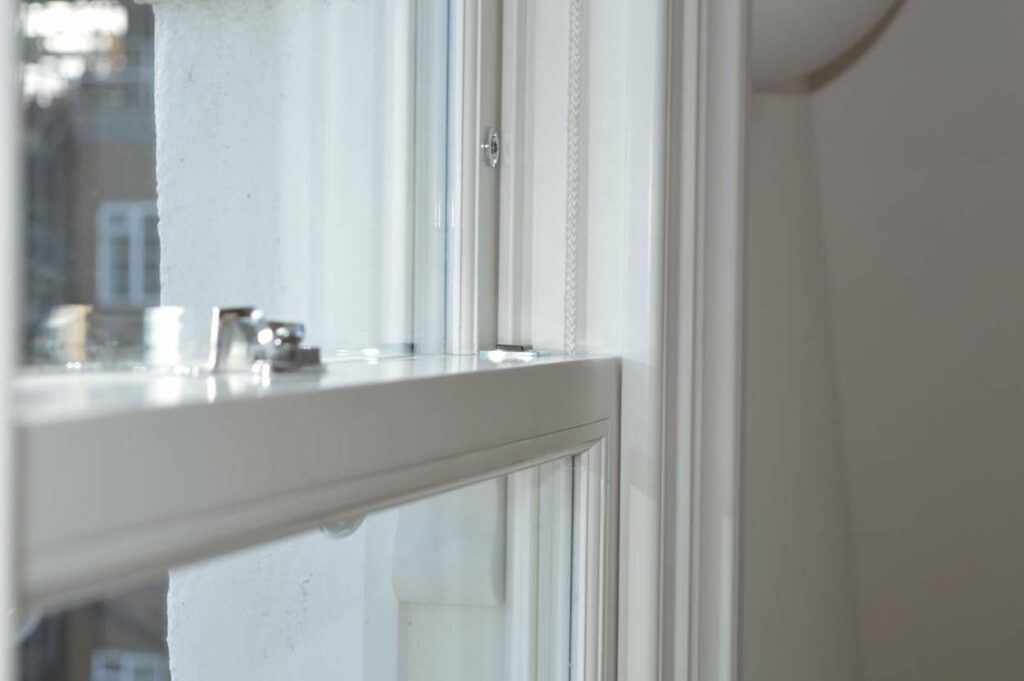
Where the original sashes cannot accept the selected glazing without excessive alteration, purpose-made new sashes may be fitted into a structurally sound existing box frame. If the frame and surrounding joinery are also significantly deteriorated, more extensive repair or complete window replacement may be required.
Sash window glazing options compared
The table below summarises the main sash window glazing options. The final specification should always be based on the construction and condition of the individual window rather than on performance figures alone.
| Glazing option | Main reasons to choose it | Main points to consider |
|---|---|---|
| Architectural salvage glass | Matching surviving period glass and retaining traditional visual character | Specialist availability, variations in thickness, appearance and cost |
| 4mm float glass | Straightforward like-for-like replacement with relatively low additional weight | Limited thermal and acoustic performance |
| 4mm toughened glass | Greater impact resistance and safer breakage behaviour while retaining a slim single pane | Must be manufactured to final dimensions; safety requirements and sash compatibility must be checked |
| 6.4mm laminated safety glass | Improved safety, fragment retention and additional resistance to creating an open gap | Thicker and heavier than standard float glass |
| Acoustic laminated glass | Reducing persistent road, rail, aircraft or other external noise | Some specifications may be around 10mm thick and may require rebalancing or purpose-made sashes |
| Standard 4–16–4 double glazing | Stronger thermal performance in new windows or purpose-made new sashes | Usually too thick for direct installation into narrow original glazing rebates |
| Slimline double glazing | Improved insulation while retaining slimmer glazing bars and sightlines | More specialist and costly; suitability depends on the complete unit specification |
| Vacuum glazing | Strong thermal performance within a relatively slim unit | Specialist cost, installation requirements and compatibility with the sash |
| Triple glazing | Potentially high thermal performance and additional noise reduction when correctly specified | Considerably thicker and heavier; may require new sashes and substantial counterbalance changes |
Can sash window glass be changed in listed buildings?
Sash window glass can sometimes be replaced or upgraded in a listed building, but the appropriate approach depends on the significance of the existing window and glass, the scale of the proposed work and the requirements of the local planning authority. A broken pane can generally be replaced like for like without listed building consent, provided that the replacement glass closely matches the original material and appearance. Historic crown, cylinder, early plate or other significant old glass should be retained wherever possible.
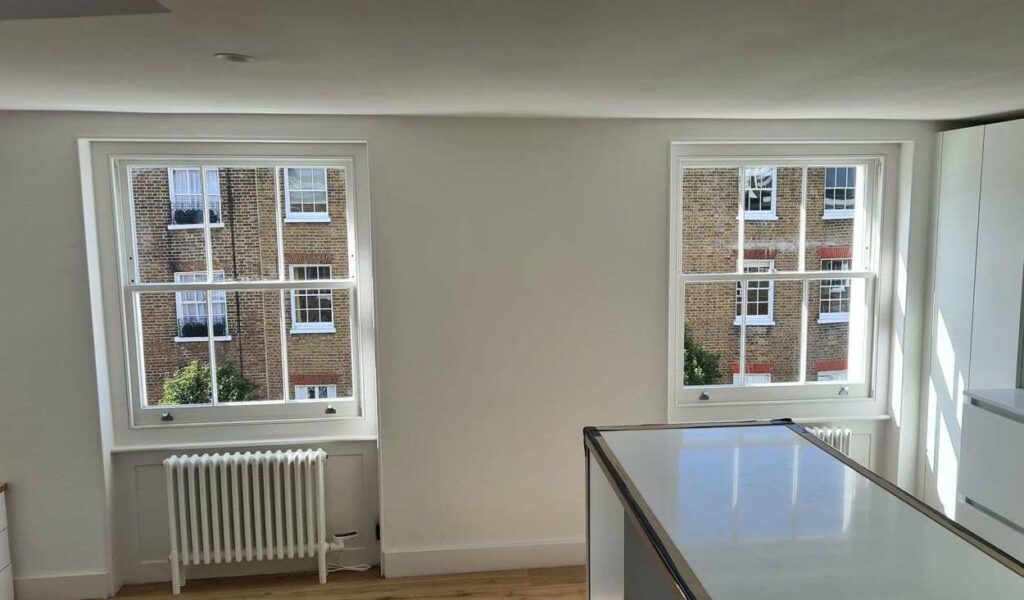
Installing double or triple glazing into historic sash windows will usually require Listed Building Consent. However, where the surviving glass is not historically significant and the sash profiles and glazing rebates can accommodate the additional thickness and weight, slimline double glazing or vacuum glazing may sometimes be considered. The glazing bars, sightlines, reflections and overall appearance of the elevation all need to be taken into account.
Slimline units have made it possible to introduce insulated glazing into some older single-glazed rebates, although this is generally a more specialist and expensive option. The improvement in heat and sound insulation can contribute to lower heat loss, greater comfort and reduced energy use over time, but actual savings depend on the whole window, the property and how it is used. Advice should be obtained from the local planning authority or conservation officer before work begins.
Frequently asked questions about sash window glass
Yes. The sash is the movable timber frame that holds the glass, glazing bars and associated fittings. In a traditional box sash window, the upper and lower sashes move within the surrounding box frame and are balanced by counterweights.
In many cases, yes. A broken or damaged pane can often be replaced while retaining the existing sash and box frame, provided that the timber remains sound and the replacement glass is compatible with the glazing rebate and counterbalance system. More extensive decay or a heavier glazing upgrade may require sash repair or purpose-made new sashes.
There is no single best option for every sash window. Traditional or modern single glazing may be appropriate for like-for-like replacement, laminated or toughened glass for safety, acoustic laminated glass for noise reduction, and slimline double or vacuum glazing where improved insulation must be balanced with traditional proportions.
Some original sash windows can be upgraded, but the existing sashes are not always deep or strong enough to accommodate a sealed double-glazed unit. Depending on the window, slimline glazing may be possible, or new double-glazed sashes may be fitted into a structurally sound retained box frame.
The better choice depends on the requirement. Toughened glass provides increased impact resistance and breaks into smaller fragments, while laminated glass holds broken pieces against an interlayer and can make it harder to create an open gap through the pane. The window position, safety requirement, glass weight and sash construction should all be considered.
Vacuum glazing can be suitable for some sash windows because it offers strong thermal performance within a relatively slim unit. Its weight, edge detail, installation requirements and compatibility with the sash still need to be assessed, and it is generally a more specialist and costly option than conventional double glazing.
Get specialist advice on sash window glass replacement
The right glazing solution depends on much more than the type of glass alone. The condition of the timber, sash dimensions, glazing rebates, counterbalance system, appearance of the property and any heritage restrictions should all be assessed before replacement or upgrading work begins.
For advice based on the construction and condition of your windows, contact Repair A Sash. We repair, restore and replace traditional timber sash windows across London and can recommend an appropriate glazing option for the property.
Reviewed by / Sources
Reviewed by: Borislav Čakarević, Repair A Sash
Last updated: 29 July 2026
Sources: Repair A Sash technical notes and project experience; Historic England guidance on traditional windows and alterations to historic glazing; FINEO vacuum glazing technical specifications.