If you have draughty, rotten or poorly functioning sash windows on a period London property, replacement may look like the obvious next step. For a property in a conservation area, a listed building or a home affected by other local planning restrictions, the decision is rarely that simple.
The first step is not choosing a product or a type of glass. It is checking the status of the property, the rules that apply to it, the elevation being altered and what the homeowner wants to achieve. Repair, new sashes in the existing box frame, draught proofing, slim double glazing, vacuum glazing and full replacement can all be valid in different circumstances.
This guide explains how Repair A Sash approaches that decision in London projects: what to check first, where heritage and planning considerations can change the answer, which glazing routes may be realistic and what information may help a council or conservation officer assess a proposal.
Quick answer: can you replace sash windows in a London conservation area?
In many cases, sash windows in a London conservation area can be repaired, upgraded or replaced, but the details matter. Before choosing the work, check whether the property is listed, affected by an Article 4 Direction, a flat or leasehold property, or subject to borough-specific rules. A visible replacement will normally need to respect the external character of the building.
The answer is therefore not simply yes or no. Repair may be the least disruptive route. New sashes can sometimes be fitted into a sound original box frame. Full replacement may be justified when the complete window is beyond rational repair, but the proposed design still needs to respond to the original proportions, material, profile and visible details.
For a fuller comparison of the physical condition of the window, see our guide to deciding whether an existing sash window should be repaired or replaced.
Quick decision guide
| What you find first | Likely starting option | What must be checked |
| Original window mostly sound, with localised rot, draughts, rattling or stuck sashes | Repair, overhaul and draught proofing | Property status, exact scope of work and whether any visible detail will change. |
| Sound box frame, but one or both sashes are too damaged or a thermal upgrade is wanted | New sashes in the existing box frame | Profile, glazing bars, sash proportions, glass specification, box depth, counterweights and consent position. |
| Listed-building requirements mean original sashes must remain | Careful repair and, where approved and practical, reglazing of the original sashes | Listed building consent, timber condition, glazing rebate, putty removal, repair scope and approved glass details. |
| Box frame and sashes are extensively deteriorated or distorted | Full timber sash window replacement | Planning permission or listed building consent, like-for-like design, material, profiles, sight lines and technical drawings. |
| Main complaint is draught rather than failed glass or structure | Draught proofing as part of suitable repair or renovation work | Whether the sashes, beads and frame are sound enough to seal and operate properly. |
| Repair A Sash field note In conservation-area work, the visual question often comes before the product question. A technically better-performing window can still be the wrong proposal if it changes the glazing bar layout, profile depth, sight lines or proportions that give the facade its character. |
Conservation area, listed building and Article 4 Direction: what are the differences?
A conservation area protects the character or appearance of a wider place. A listed building is an individual building recognised for its architectural or historic interest. An Article 4 Direction is a local planning control that can remove particular permitted development rights. These categories can overlap, but they do not mean the same thing.
The distinction matters because the same sash window proposal can be treated differently depending on the property. A house in a conservation area, a listed townhouse, a flat in a managed block and a property covered by an Article 4 Direction may all require different checks before work begins.
Conservation controls often give particular attention to the front or principal elevation, although side and rear elevations may also be relevant. Listed status can affect internal and external work that alters the building’s character. Article 4 Directions are local and must be checked for the specific address rather than assumed from the borough name alone.
Flats can involve another layer of responsibility. Planning rules, the lease and control of the external windows need to be considered separately. The freeholder, managing agent or building management company may need to approve work even where the planning position is otherwise clear.
| Current local-rule note Local procedures can change. Kensington and Chelsea currently has a Local Development Order for certain similar-appearance replacement windows in non-listed residential properties, including flats and conservation-area properties, subject to the conditions of the LDO. It does not apply to listed buildings and does not remove other requirements such as the lease, building regulations or separate consents. Westminster guidance follows a different local framework and notes that flats do not benefit from householder permitted development rights. Always check the current guidance for the exact address before commissioning work. |
For a borough-specific explanation, see our detailed guide to replacing sash windows under the Kensington & Chelsea LDO.
Useful official guidance: Planning Portal – doors and windows; Planning Portal – permitted development rights and Article 4 Directions. The local planning authority should confirm what applies to a specific property.
What Repair A Sash checks before recommending any work
Before Repair A Sash recommends repair, new sashes or full replacement, the first question is what the homeowner wants to achieve. Restoring smooth operation is not the same project as improving thermal comfort, reducing street noise or preparing a property for sale.
The assessment therefore begins with a combination of the homeowner’s goal, the property status and the condition of the window. The next questions are whether the building is listed, whether an Article 4 Direction applies, whether it is a flat or a house, which elevation is affected and whether the existing windows appear original or have already been altered.
Only then does the physical inspection become meaningful. The box frame is assessed separately from the moving sashes. A sound box may make retained-frame work possible even when the sashes are no longer worth repairing. Conversely, acceptable-looking sashes may be sitting in a box frame that is too deteriorated or distorted to provide a reliable base.
The depth of the box, room for weights, glazing rebate, sash profile and visible proportions then shape what glass and joinery options are realistic. The final proposal has to work mechanically and still look appropriate as part of the whole elevation.
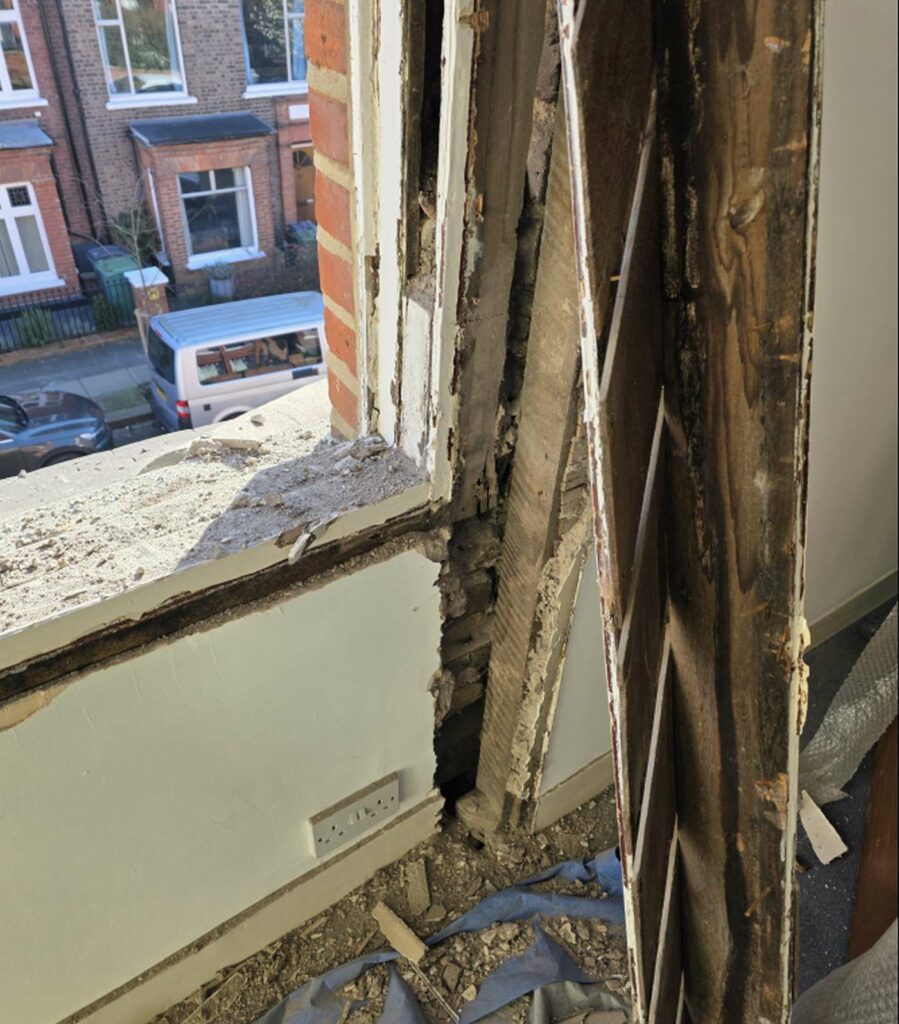
| Expert inspection note The decision is rarely just “repair or replace”. The practical question is what can be improved without changing the external character more than the building, elevation and current local rules allow. |
When repair and draught proofing are the least disruptive option
Repair is often the best starting point when the original window is mostly sound and the work can improve operation or comfort without unnecessarily changing the visible character of the building.
This can include localised timber repair, replacing sash cords, easing painted-shut sashes, adjusting beads, addressing rattles and restoring smooth movement. When the core structure remains serviceable, targeted work preserves the original material and prevents a manageable defect from developing into wider decay.
For windows with localised structural or mechanical defects, specialist repairs to traditional London sash windows can retain the original box, profiles and working parts that are still worth keeping.
Draught proofing is particularly useful when air movement, rattling or poor closing fit is the main complaint. It does not replace the glass, and it should not be treated as a rival to every glazing upgrade. Instead, it is part of a suitable overhaul and is also normally incorporated when new sashes are fitted, because good sealing and smooth operation matter whichever glass is chosen.
Where the window is broadly sound, renovating and draught-proofing existing timber sashes can improve comfort without materially changing the outside appearance.
Historic England generally favours retaining and repairing historic windows where that remains practical. However, the exact scope should still be checked for a listed building, particularly where work could alter original fabric or detail.
| Repair A Sash field note Some enquiries start with the homeowner assuming the whole window has to be removed. Once the decay is assessed properly, the more useful question is often whether the original profile, glazing bars and box frame can stay while only the failed parts are repaired. |
When new sashes in the original box frame are the better solution
New sashes in the existing box frame can be the most balanced solution when the box remains sound but one or both moving sashes are too damaged, altered or inefficient to justify repeated repair.
The fixed frame and moving sashes do not always need to be treated as one unit. Where the original box is strong and correctly positioned, new sashes can be made to match the proportions, glazing bars, horns and visible profiles of the existing window, then fitted into the retained frame with the appropriate cords, weights, beads and draught seals.
For a thermal upgrade, new double-glazed sashes made for the existing box frame allow the new sash profile and glazing rebate to be designed around an appropriate slim double-glazed or vacuum-glazed unit.
This retained-frame route can also avoid unnecessary disruption to original shutters, linings or substantial internal panelling. A full window replacement may require those surrounding elements to be removed, adapted or recreated, which can increase the scope of work and the risk of losing original joinery that is still sound.
Matching the replacement correctly also depends on how original Victorian sash window details are identified, including the glazing layout, internal profile and proportions.
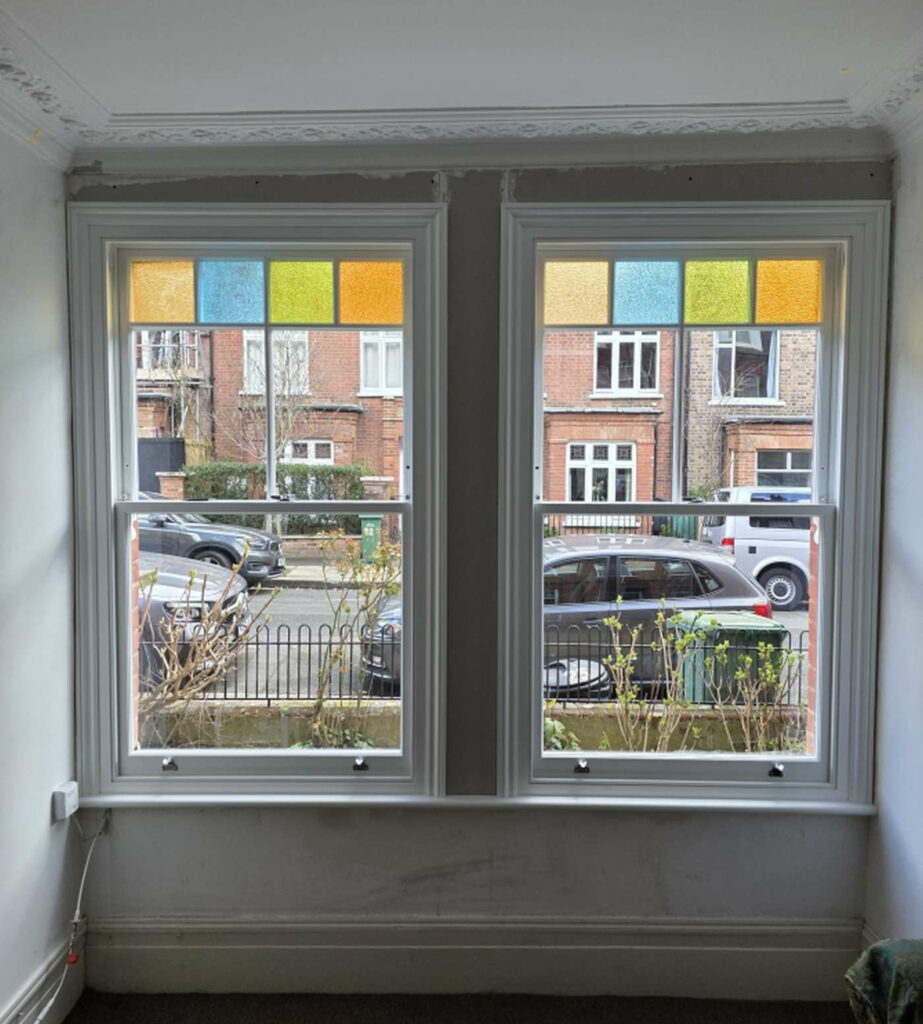
A listed-building example: retained boxes and new vacuum-glazed sashes
On a listed-building project in the Royal Borough of Kensington and Chelsea, Repair A Sash retained the existing box frames and manufactured new sashes with vacuum glazing after the proposal received consent. The purpose was to improve performance while keeping the visible proportions and external appearance close to the original.
This example shows that a retained-frame glazing upgrade can be acceptable in a listed building when the proposal is properly specified and approved. It does not mean that the same solution will be accepted automatically on another property; the existing fabric, drawings, glass, profiles and consent requirements must be assessed for each project.
The full project is covered in our Notting Hill sash window restoration case study.
When complete sash window replacement may be justified
Full replacement may be possible in a conservation area and can be the right technical answer when the complete window is beyond rational repair. It normally needs more careful design and checking than a local repair or retained-frame sash replacement.
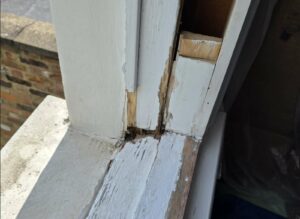
Replacement becomes realistic where both sashes and the box frame are extensively rotten, distorted or structurally unreliable, where repeated poor repairs have compromised the window, or where the existing unit no longer provides a practical base for a durable upgrade.
In those circumstances, new timber sash windows should be designed around the building rather than selected as a generic product. Sash dimensions, mouldings, glazing bars, horns, sight lines, timber, finish and glass all affect whether the replacement sits correctly within the facade.
A technically sound new window can still be visually unsuitable if it changes the rhythm or detailing of the elevation. Visually different uPVC replacements can conflict with local conservation policies where timber sash windows contribute to the character of the property or street. Unauthorised visible alterations can also create problems during later planning checks or a property sale.
Repair A Sash has encountered projects where non-matching replacement windows attracted council attention after visible changes to a facade were identified. Monitoring and enforcement approaches can differ between London boroughs, but the practical lesson remains the same: permission and design requirements should be checked before the original windows are removed.
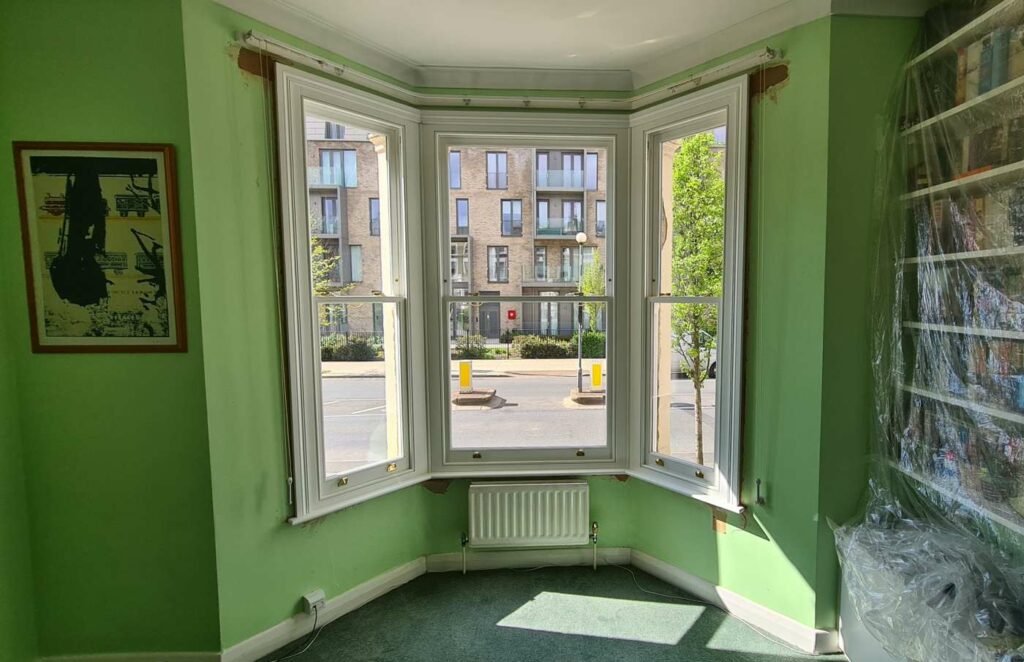
| Expert note A new window is not automatically wrong in a conservation area. The issue is whether the replacement respects the building, the street-facing composition and the controls that apply to the specific property. |
Choosing between existing-sash reglazing, new double-glazed sashes and vacuum glazing
The glazing route depends on two separate questions: what the planning or listed-building context allows, and whether the proposal involves retaining the original sashes or manufacturing new ones.
Reglazing the original sashes
Removing old single glazing and fitting a different unit into the original sashes can be much more labour-intensive than it first appears. Old glazing putty can become extremely hard. Removing it without damaging the timber takes time, and the process may reveal or create repairs that must be completed before the sash can be reglazed and refinished.
For that reason, Repair A Sash rarely recommends a glass-only upgrade as the most economical route when the existing box frame can accept newly manufactured sashes. Reglazing the original sashes may still be appropriate where listed-building requirements mean the original fabric must remain, or where it forms part of a specifically approved conservation solution.
New sashes designed around the glass
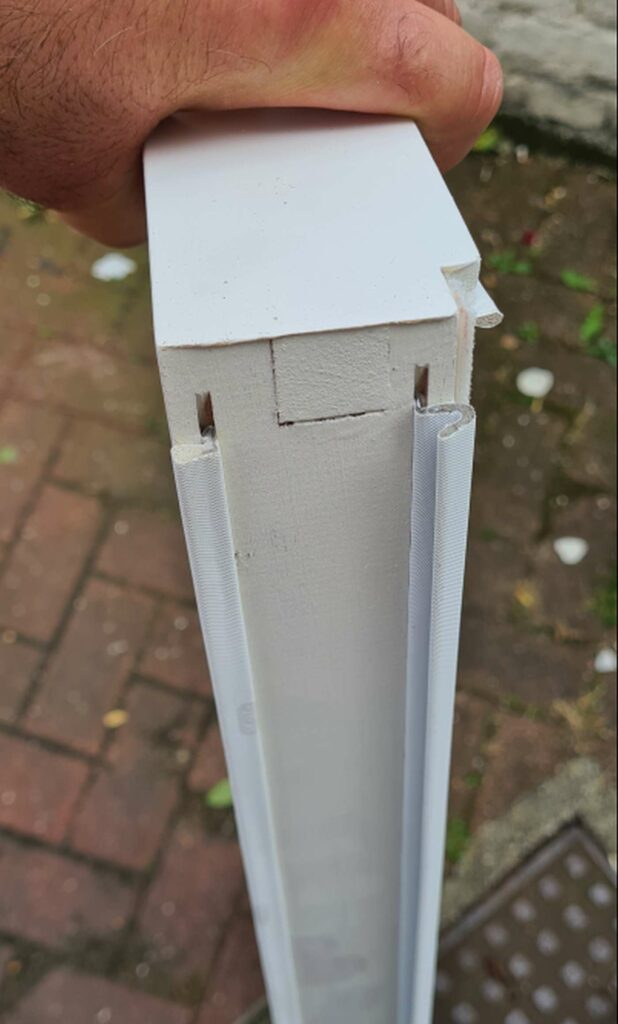
When the box frame is sound and new sashes are allowed, the sash profile and rebate can be manufactured around the chosen glazing unit. This gives more control over dimensions, balance, finish and the weight system than trying to adapt a tired original sash after the fact.
Slim double glazing is designed to provide a narrower unit than conventional double glazing and can suit many traditionally detailed new sashes. Vacuum glazing is thinner again and can be valuable where narrow sight lines and a close external match are priorities. The final choice depends on the approved appearance, the performance goal, unit specification, budget and the practical limits of the retained box frame.
Draught proofing still matters
Draught proofing supports all suitable routes rather than competing with them. It may be the main improvement in a sound single-glazed window, or it may form part of installing new slim double-glazed or vacuum-glazed sashes. Glass alone cannot compensate for poorly fitting sashes, open gaps or a frame that is not operating correctly.
Glazing decision guide
| Starting condition or goal | Likely route to consider | Main technical and consent check |
| Sound original window; main problem is draughts, rattling or stiff movement | Repair or renovation with draught proofing; retain the existing glass if it remains suitable | Window condition, bead system, movement and any listed-building restrictions on the repair scope. |
| Sound box frame; thermal upgrade wanted and original sashes do not need to remain | New sashes designed for slim double glazing or vacuum glazing, with draught proofing | Matching profile and sight lines, box depth, weights, glass specification and planning or consent position. |
| Listed building or approval requires original sashes to remain | Repair and carefully specified reglazing of the original sashes where technically practical and approved | Consent details, rebate, timber condition, removal of old putty, added weight and final appearance. |
| Very narrow sight lines or close heritage appearance are priorities | Vacuum glazing in suitable new or approved sashes | Approved edge detail, thickness, weight, profile design and visual impact. |
| Noise reduction is the main aim | Appropriate glass configuration combined with good seals and a sound frame | The whole opening, not only the centre pane; source and frequency of noise; ventilation needs. |
| Technical inspection note A glazing upgrade is not chosen by thickness, U-value or acoustic claim alone. The sash, rebate, box, weights, seals and approved appearance all have to work together. |
Documents that can help a council assess the proposal
When a window proposal needs planning input or listed building consent, the most useful documentation normally shows what exists, what is proposed and how closely the visible details will match.
This can include clear photographs of the existing windows and the full elevation, a description of the existing material and condition, and technical drawings or profile sections showing the box, sash dimensions, glazing bars, mouldings, sight lines and proposed glass.
On one Westminster project, Repair A Sash clarified the proposal by submitting a precise profile section with dimensions and glazing bar details. The documents allowed the council to assess the relationship between the existing and proposed work. They did not guarantee approval: the authority could accept the proposal or ask for a detail to be changed.
The practical lesson is that a verbal description is rarely enough for a sensitive building. The clearer the comparison between the existing window and the proposal, the easier it is for the relevant officer to understand what will and will not change.
Common mistakes homeowners make before commissioning work
The most common problems often arise before the joinery specification has been properly defined.
- Treating conservation area and listed status as the same thing. They are different designations and can lead to different planning and consent requirements.
- Not checking for an Article 4 Direction. A local direction can remove a permitted development right that might otherwise apply to a house.
- Assuming every London borough follows the same current procedure. Local orders, guidance and application requirements can change and may differ even for apparently similar streets.
- Choosing the glass before deciding whether the original sashes will remain. Reglazing old sashes and manufacturing new sashes around a glazing unit are technically and financially different routes.
- Assuming double glazing alone will solve noise or comfort problems. Seals, sash fit, frame condition and the complete opening can matter as much as the centre pane.
- Removing timber sash windows before permission is clear. Once original material has been removed, an unauthorised or unsuitable replacement can be difficult and expensive to correct.
- Forgetting lease, freeholder or management-company responsibilities. In a flat, control of the external windows may not rest with the occupier alone.
Checklist before repairing or replacing conservation-area sash windows
Before commissioning work, the homeowner should work through the questions below. They do not replace a survey or formal planning advice, but they help clarify what needs to be established.
- Is the property listed?
- Is it in a conservation area?
- Is there an Article 4 Direction or another planning condition affecting the address?
- Is it a flat, leasehold property or managed building?
- Who is responsible for the external windows under the lease?
- Are the affected windows on the front, side or rear elevation?
- Are the box frame and original sashes structurally sound?
- Does the proposal retain the original sashes, replace only the sashes or replace the complete window?
- Can the proposed glass and counterweights work within the retained box?
- Will the profile, glazing bars, horns, sight lines and proportions match the original appearance?
- Has the current local planning or listed-building consent position been confirmed for the exact property?
FAQ about sash windows in London conservation areas
Often, yes, but the exact route depends on the property, elevation and local controls. The replacement will normally need to preserve the external character, proportions and visible details of the original window. A local planning authority should confirm what is required for the specific address.
It depends on the property and the work. Like-for-like repair may be treated differently from visible replacement. Listed buildings, flats, Article 4 Directions, planning conditions and current borough rules can all change the answer.
No. A conservation area protects the character or appearance of a wider place, while listed status applies to an individual building. A property can be in a conservation area without being listed, or it can have both forms of protection.
Double glazing may be possible, but it matters whether the proposal means reglazing the original sashes or making new sashes for the existing box frame. Reglazing old sashes can be labour-intensive and may not be economical. Where the box is sound, new sashes can be designed for slim double glazing or vacuum glazing while matching the original proportions, subject to planning or listed-building requirements.
It can be suitable because its thin construction can help retain narrow sight lines. Repair A Sash has used new vacuum-glazed sashes in retained box frames on consented listed-building projects. Suitability and approval still depend on the existing window, proposed profile, edge detail and individual property.
Yes, in many cases. If the box frame is structurally sound, new sashes can be manufactured to match the original appearance and fitted into it. This can preserve more original material and avoid disturbing shutters, linings or substantial internal panelling.
They can conflict with local conservation policies where timber sash windows contribute to the character of the building or street. Current borough rules and any Article 4 controls should be checked before considering a visually different material or design.
Possibly. Planning permission and the lease are separate matters. Even where planning permission is not needed, the lease, freeholder, managing agent or building management company may control changes to external windows.
Ask whether the property is listed, in a conservation area or affected by an Article 4 Direction; whether the elevation is controlled; whether the proposal needs planning permission or listed building consent; and what photographs, drawings and profile details should accompany an application.
Reviewed by / sources / technical notes
Reviewed by: Borislav Čakarević, Repair A Sash
Last updated: 28 July 2026
Sources: Repair A Sash expert interview with Borislav Čakarević and Repair A Sash project experience; Historic England – Traditional Windows: Their Care, Repair and Upgrading; Historic England – Repair or Change Windows in an Older Home; Planning Portal – Doors and Windows: Planning Permission; Planning Portal – Permitted Development Rights; Royal Borough of Kensington and Chelsea – Windows Local Development Order; Westminster City Council – Replacing or Upgrading Your Windows.