Solar control glass is worth considering for large windows or glazed doors that receive strong direct sunshine, particularly where the room already overheats. For a shaded opening or a room short of daylight, preserving light may be the higher priority. Compare the proposed glass’s solar gain, light transmission and insulation alongside the opening’s exposure, shading and ventilation before ordering.
When is solar control glass worth considering?
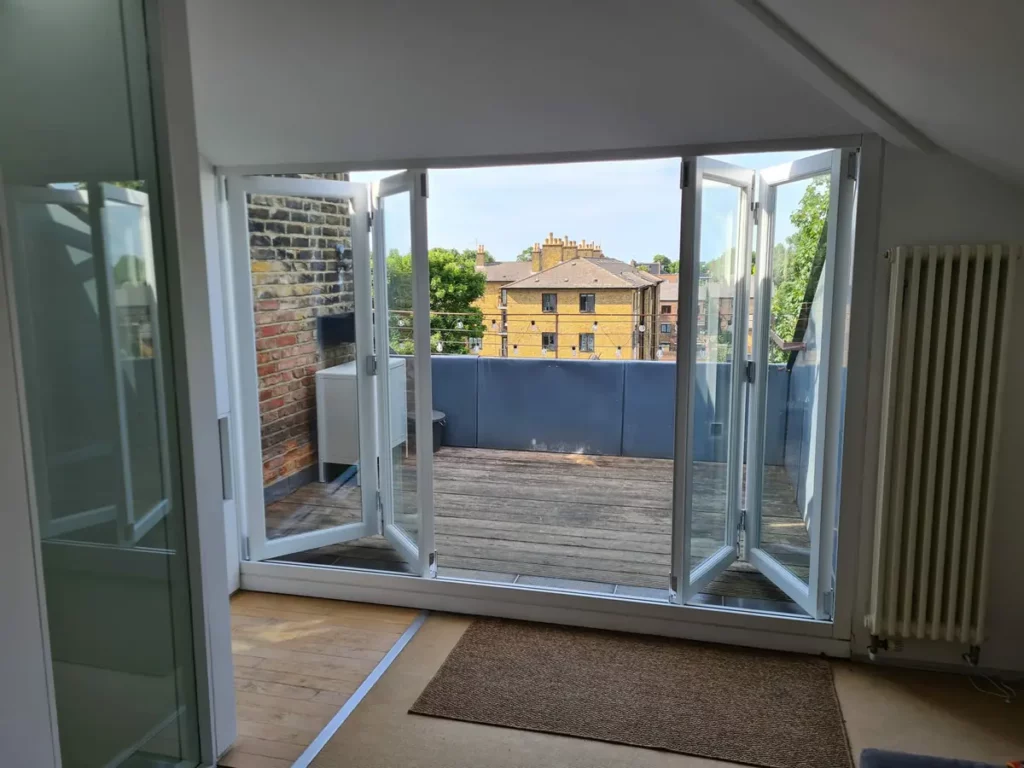
Large unshaded east-, south- and west-facing windows, restricted ventilation and dense urban surroundings can increase overheating risk, as the UK Health Security Agency’s keep cool at home checklist explains. South-facing bifolds are one example, but west-facing glazing can also receive strong sun late in the day.
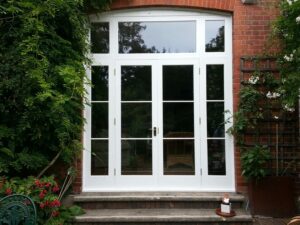
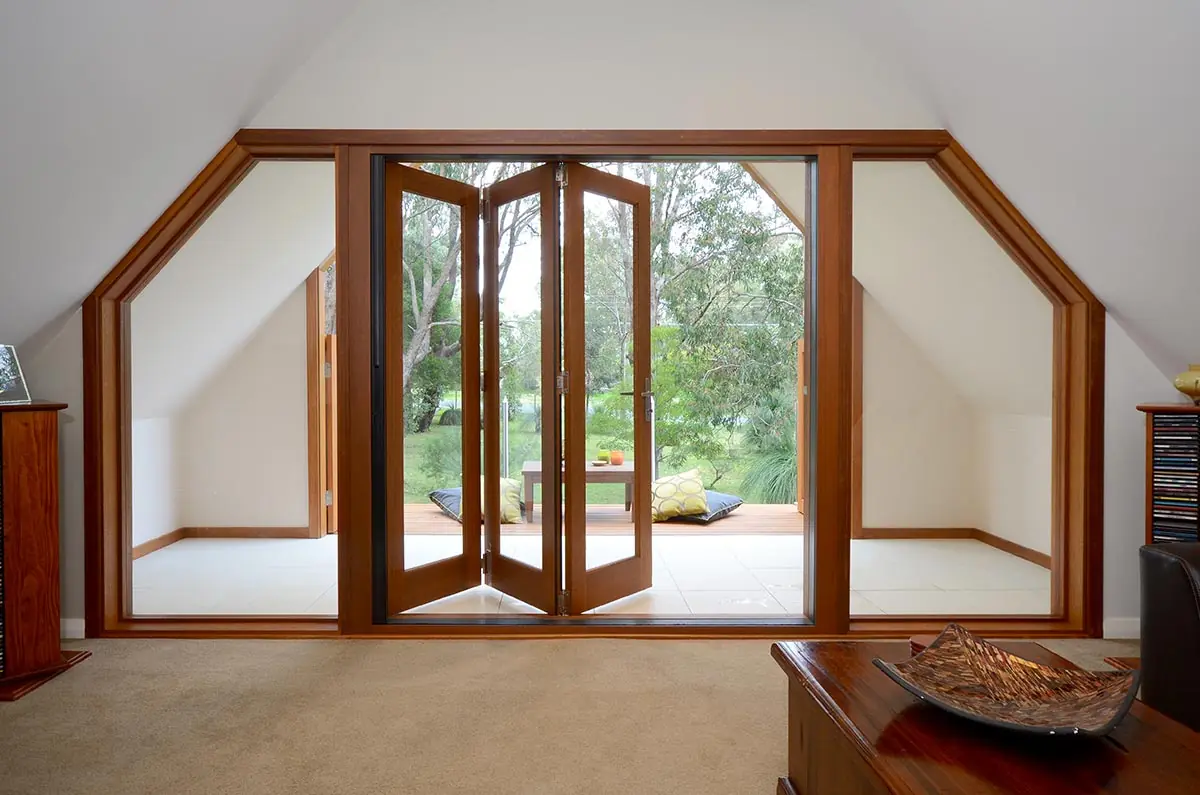
Borislav Čakarević of Repair A Sash describes a south-facing opening with timber bifold doors spanning four or five metres. Such a large glazed area can admit enough solar energy to make the room very uncomfortable in sunshine. Solar control glass reduces that gain, but Borislav also stresses its limits: the room can still become hot.
To judge whether the upgrade is worthwhile, compare its additional installed cost with how often the room overheats and how the proposed glass affects daylight. Ask for alternative specifications for the same opening so you can assess the difference.
| Situation | What to consider | What to check first |
| Large rear opening facing south, east or west with no shade | Worth comparing with a higher-g alternative where summer solar gain is a concern | Direct-sun exposure, glazed area and practical ventilation |
| Opening already shaded by trees, a neighbouring building or a deep overhang | Solar control is a lower priority, and the benefit may not justify the loss of light | Seasonal shading and the room’s daylight needs |
| Room that is short of daylight | A balance is needed, because some solar control products transmit less visible light than ordinary clear glass | Light transmission of the proposed glass, and a sample compared with the existing glazing |
| Room with several sources of solar gain, such as roof glazing, side windows and doors | Changing one opening may leave other heat sources untouched | Which glazed areas receive the most sun, and whether roof glazing contributes |
| Existing room that stays hot long after sunset | The cause may be stored heat and poor ventilation as much as direct sun, so different glass alone may not fix it | How heat leaves the room, and what the wider assessment of ventilation and shading shows |
Is solar control glass the same as low-E glass?
No, although a glazing unit can provide both. Low-emissivity (low-E) coatings limit long-wave radiant heat transfer, helping retain warmth in winter. Solar control limits incoming solar energy. Pilkington’s explanation of thermal insulation describes how these properties can be combined in one coated product or through the composition of an insulating glass unit.
The low-E label alone does not show how much solar gain a unit permits. Double or triple glazing can provide good insulation without the level of solar control a particular room needs. Ask for the g-value as well as the U-value when comparing the options.
The three figures to compare in a glazing specification
Compare these three figures together. Each describes a different aspect of the glazing’s performance.
| Figure | What it measures | The question it answers |
| g-value (total solar transmission) | Total solar energy transmitted directly and through the inward contribution of energy absorbed by the glass. Lower values mean less solar gain. | How much sun-driven heat will this glass let in? |
| Light transmission (LT or VLT) | The proportion of visible light that passes through | How much visible light does the glass transmit? |
| U-value | Heat flow caused by a temperature difference. A lower value means stronger insulation | What does the figure show about heat loss? |
For example, a g-value of 0.40 means that 40% of the solar energy reaching the glazing is transmitted under the stated rating conditions. It includes energy entering directly and the inward contribution from energy absorbed by the glass. It does not predict the room’s temperature or mean that the room will be 60% cooler.
Light transmission is a separate measure, explained in Guardian Glass’s guide to light and solar performance. A product can limit solar gain while retaining relatively high light transmission. The daylight reaching the room also depends on the opening’s size, the room’s layout and surrounding shade.
Check what a quoted U-value covers. A centre-pane Ug figure describes the glazing and excludes frame and spacer-edge effects, as the BSI summary of the calculation method explains. For the performance of a complete window or door, ask for the whole-product figure and compare quotations on the same basis.
The figures should describe the actual glazing composition in the quotation. Pilkington’s double-glazing g-value guide identifies the reference configuration behind its results and notes that some depend on the chosen inner pane. A brochure value for a different build-up may not describe the unit being offered.
What happens to daylight and winter comfort?
Solar control glass need not look dark or mirrored. Guardian Glass’s solar control overview describes options with different colours, visible reflectance and light transmission. The coating itself is not normally visible as a separate layer. Solar-control performance should be checked in the glazing specification, rather than judged from its appearance. Compare available samples with adjacent glazing, and consider how the appearance changes with viewing angle and lighting. Use the light-transmission figures alongside the samples; a small sample cannot show exactly how bright the completed room will feel.
A fixed lower-g specification also reduces potentially useful solar gains in cooler weather. Weigh that against the need to control summer heat and the unit’s insulation. Winter comfort also depends on the frame, seals, installation and heating. The lowest g-value is therefore not automatically the best choice for every elevation.
Why shading and ventilation still matter
Solar control glass does not remove heat already inside the room or heat from cooking, appliances and people. The UKHSA checklist recommends shading and opening windows when it is safe and the outside air is cooler. During hotter periods, opening doors or windows can bring warm air in, so the ventilation strategy should reflect the outdoor conditions.
External shading, such as an awning or suitable overhang, can intercept sunlight before it reaches the glass. Internal blinds can reduce glare and help manage solar gain, but sunlight has already passed through the glazing. The British Blind and Shutter Association explains this distinction. In an extension with roof glazing or other sun-exposed windows, assess those areas too: changing the doors alone may leave a significant source of solar gain.
Can existing windows or doors be upgraded?
Sometimes. Suitable existing joinery may accept a replacement glazing unit, while other projects need new sashes or a fuller replacement. Repair A Sash’s guide to glazing options for existing sash windows explains the checks on rebate depth, glass thickness, weight and counterbalances. For doors, the frame, glazing support, seals and hardware must suit the proposed unit. Establish compatibility before ordering the glass.
What to ask before accepting the quotation
Ask for written details for the proposed opening so you can compare the options on the same basis.
The glass specification. Confirm the pane types and thicknesses, cavity and any gas fill, together with the g-value and light transmission for that composition. Ask whether the U-value describes the centre-pane glazing or the complete window or door.
Appearance. Compare available glass samples with adjacent glazing. Ask about tint, visible reflection and light transmission, particularly if the room is already short of daylight.
Safety and compliance. Confirm the appropriate impact-safety specification alongside solar performance. Approved Document K addresses protection against impact with glazing, including critical locations around doors, side panels and low-level windows. Approved Document O concerns overheating in new residential buildings; it is not a blanket requirement to fit solar control glass when replacing existing windows or doors. The requirements applicable to the particular work still need checking.
Shading and ventilation. Establish how the room will release heat and whether roof glazing or other openings contribute to the problem.
Compatibility and price. If retaining joinery, confirm any alterations needed to accommodate the unit. Compare complete installed quotations with equivalent specifications, including any changes to the frame, glazing support, seals or hardware.
If you are planning new windows or glazed timber doors, or investigating an existing room that overheats, contact Repair A Sash to discuss the opening, its exposure and the glazing options.
Frequently asked questions about solar control glass
It is usually a lower priority where an opening receives little direct sunshine. Consider its actual exposure, nearby reflective surfaces and the room’s daylight needs. A north-facing room already short of light may benefit more from a specification that preserves daylight.
Not necessarily. Low-E describes a coating’s low emissivity, while the g-value shows the glazing’s solar gain. Some units combine strong insulation and solar control. Ask for both figures for the actual composition being quoted.
Sometimes. The existing joinery must be sound and compatible with the proposed glazing’s thickness, weight and support requirements. An assessment may show that a replacement unit is feasible, or that new sashes or a fuller replacement are more appropriate.
Not automatically. Blinds may still be useful for glare, privacy and additional control of sunlight. External shading intercepts sunlight before it reaches the glass; internal blinds work after it has passed through. The appropriate combination depends on the opening and the room.
No. Solar control reduces heat gain through the specified glazing. Internal heat, other windows and limited heat removal can still make the room uncomfortable. It should form part of an assessment of the room’s shading and ventilation.
Reviewed by and sources
Reviewed by: Borislav Čakarević, Repair A Sash
Last updated: 20 October 2026.
Independent references
- UK Health Security Agency: Beat the heat, keep cool at home checklist
- GOV.UK: Overheating, Approved Document O
- GOV.UK: Protection from falling, collision and impact, Approved Document K
- British Blind and Shutter Association: External and internal solar shading
- BSI: Glass in building, determination of thermal transmittance (U-value), calculation method
Manufacturer and supplier references