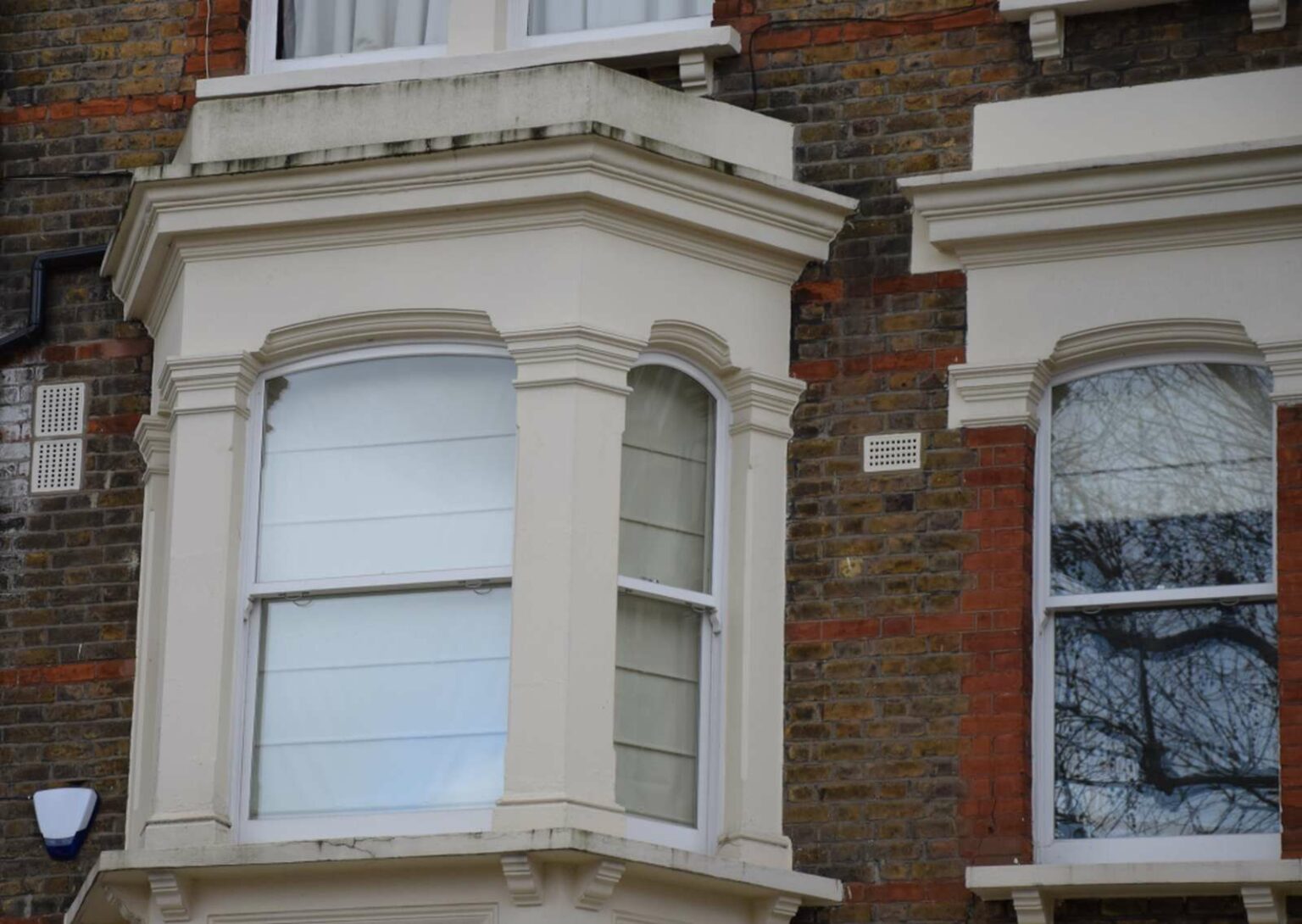
If you own a non-listed home in Kensington & Chelsea, replacing or altering existing windows became easier on 23 October 2025. The Royal Borough of Kensington and Chelsea (RBKC) adopted a Local Development Order (LDO) that grants planning permission for qualifying window works across the borough, including works to flats and houses in conservation areas.
The LDO removes the need for a separate planning application only where every condition is met. The replacement must still be of similar appearance to the existing window, while Building Regulations, lease obligations and any required freeholder or management-company approval remain separate. Listed buildings are excluded and follow a different consent route.
This guide concentrates on what the RBKC rules change for timber sash windows. For the wider London context, including conservation areas, Article 4 Directions and listed status, see our guide to replacing sash windows in a London conservation area.
Quick answer: can sash windows be replaced more easily now?
Yes, in many non-listed residential properties. If the proposed work falls within the LDO and meets every condition, a separate planning application is not required. This can apply to flats, houses and houses in multiple occupation, and the LDO overrides borough Article 4 Directions for the window works it permits.
Owners do not have to notify RBKC before relying on the LDO, submit drawings for approval or obtain planning-department sign-off, and there is no planning fee for using it. A Certificate of Lawful Development remains optional if written confirmation is wanted. None of this removes the need to check Building Regulations, the lease or other private permissions.
What changed under the Kensington & Chelsea LDO?
The LDO grants planning permission for qualifying replacement or alteration of existing windows in residential properties across the borough. It is not tied to a single glazing product. In practice, it can allow suitable single-glazed windows to be upgraded without a separate planning application, provided the finished window satisfies all conditions of the order.
| What the LDO changes | Practical meaning | What still needs checking |
| Non-listed residential properties | Qualifying alterations or replacements do not need a separate planning application. | All LDO conditions, existing planning conditions and technical suitability. |
| Flats, houses and HMOs | The residential scope includes flats, dwelling houses and small or large HMOs. | Lease terms and any freeholder, landlord, managing-agent or management-company approval. |
| Conservation areas and Article 4 | The LDO overrides Article 4 Directions for the window works it permits. | Similar appearance and every other condition of the LDO. |
| uPVC to timber | The order expressly permits this material change. | The new timber window must meet the remaining conditions. |
| Timber to uPVC | This is not permitted by the LDO. | A separate planning application is still required. |
| Listed buildings | They are excluded from this LDO. | Listed building consent or a qualifying LLBCO route. |
The conditions homeowners should not overlook
The central visual condition is that the new window must be of similar appearance to the existing one, unless an existing uPVC window is being replaced with timber. RBKC defines similar appearance as using the same material, style, pattern and design, with only minimal differences in frame dimensions and/or integrated glazing-bar profiles.
Two less-publicised conditions apply at first-floor level or above, including dormers:
- If the existing window is obscure-glazed, the replacement must remain obscure-glazed to an equivalent specification.
- If the existing window is non-opening, the replacement must remain non-opening unless every openable part is more than 1.7 metres above the floor of the room.
The LDO also leaves any planning condition already attached to an earlier permission in place. Owners should therefore not assume that borough-wide permission automatically displaces a property-specific condition.
What “similar appearance” means for a timber sash window
For a timber sash window, material alone does not determine whether the replacement looks similar. The survey and specification should compare the top and bottom sash proportions, meeting rails, glazing-bar layout and moulding, visible frame dimensions, sash horns where present, opening arrangement and the overall sight lines from outside.
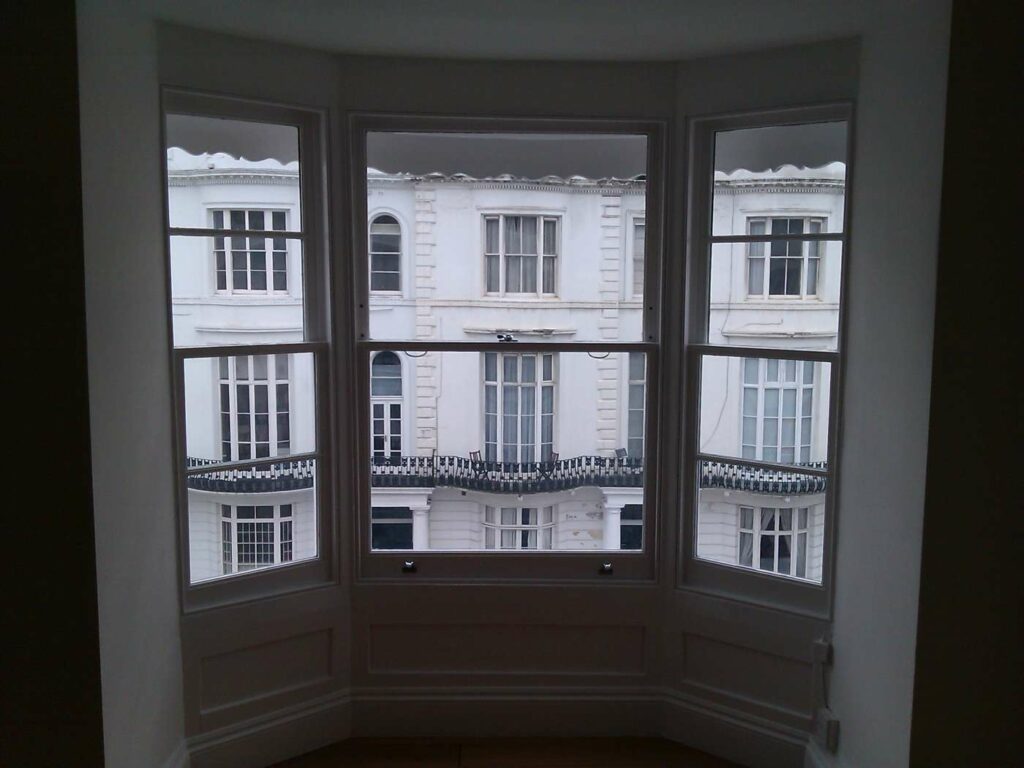
A replacement may be made from timber and contain high-performing glazing but still look noticeably different if the bars become too wide, the meeting rails too heavy or the visible glass area too small. This is particularly clear on a terrace or mansion-block elevation where neighbouring windows establish a consistent rhythm.
During a Repair A Sash survey, this is treated as a measuring exercise. The position and thickness of glazing bars, the proportions of both sashes, the size and shape of any curve to the top rail and the other visible details are recorded so that the new window can reproduce them closely.
| REPAIR A SASH FIELD NOTE: A standard 24 mm double-glazed unit may require stiles that are only a few millimetres wider to provide the necessary glazing rebate. The remaining visible details can usually be copied closely, so the outside appearance stays consistent with the building. |
What the LDO does not cover
The permission is limited to qualifying work on existing windows. It does not cover:
- windows or other alterations within a listed building;
- windows within conservatories, rooflights, glazed doors or solid doors;
- enlarging an existing opening or creating a new opening;
- reflective film that materially changes a window’s appearance; or
- replacing clear or obscure glazing with mirrored glass.
Work outside these limits may need a separate planning application or another consent route. The full wording should always be checked against the official RBKC LDO before work is commissioned.
Listed buildings and the separate 2026 LLBCO
Listed buildings are excluded from the replacement-windows LDO. RBKC has separate Local Listed Building Consent Orders (LLBCOs), but they apply only when the building and proposed work meet the conditions of the relevant order.
The LLBCO made on 20 March 2026 for Grade II listed buildings in the Queen’s Gate, Pembridge and Holland Park Conservation Areas is particularly narrow. It includes the replacement of qualifying machine-manufactured float glass in existing one-over-one or two-over-two sash windows with slimline double glazing. Evidence must be submitted as required by the order, and the historic timber sashes, frames and other relevant features are retained.
Crucially, this LLBCO is principally a route for replacing qualifying glass within retained historic frames, not blanket consent to replace listed sash windows. Owners should check the current RBKC LLBCO guidance and the order itself. Our listed building window restoration guide explains the wider assessment and restoration context.
Planning permission is not the same as lease approval or Building Regulations
Repair A Sash is FENSA registered and can self-certify qualifying replacement-window and door installations for compliance with the applicable Building Regulations. The company can also provide window drawings where a homeowner needs them for a planning or other consent application. FENSA certification covers the Building Regulations route for qualifying replacement work; it does not grant planning permission or replace lease, freeholder or management-company approval.
Checking and obtaining all property-specific permissions remains the owner’s responsibility. Repair A Sash may point clients towards relevant council guidance, but its survey and quotation focus on the joinery and the requested replacement specification.
For a leasehold flat, the lease may place responsibility for external windows with the freeholder or require consent from a landlord, managing agent or management company. Planning permission under the LDO does not override those contractual obligations. This should be established before windows are ordered or work is booked.
A Certificate of Lawful Development is not required to use the LDO. It is an optional application, subject to the usual fee, for owners who want formal confirmation that proposed works fall within the order. Retaining the survey, drawings, specification, photographs and compliance documents can also provide a useful record of what was installed.
What Repair A Sash checks during the survey
Even where the LDO applies, a complete replacement still needs a proper sash-window survey. Repair A Sash’s visit focuses on the existing joinery, the external details that must be reproduced and the measurements needed to specify a new window with improved glazing. It is not a legal review of the property’s planning or lease position.
- Existing window and opening: type, dimensions, top and bottom sash proportions, opening arrangement and visible condition.
- External appearance: meeting rails, glazing bars and their thickness, mouldings, horns, any curve to the top rail, frame lines and the relationship to neighbouring windows.
- Glazing and operation: whether the proposed double-glazed unit can be accommodated while keeping visible differences minimal, and how the weights, balances and box should be configured.
- Replacement scope and access: the full-window specification, installation method and any access or making-good requirements.
| REPAIR A SASH INSPECTION NOTE: Photographs are useful for initial context, but the condition found on site is often worse than a photograph suggests. The survey records the external design that must be copied and confirms the practical details of the full replacement; it does not transfer responsibility for planning or lease checks from the owner. |
For projects proceeding as complete replacements, Repair A Sash can use these measurements to prepare a new timber sash window specification with improved glazing and closely reproduced external details. The sash window glass guide explains the main glazing options in more detail.
Practical steps before commissioning work
Nothing special is required for the joinery survey beyond access to the relevant windows and a clear description of what the homeowner wants to achieve. The planning, lease and freeholder checks below remain the homeowner’s responsibility and should be completed before installation is commissioned.
- Confirm whether the building is listed and whether the relevant windows fall within the residential LDO.
- Check the lease, freeholder or management-company requirements before agreeing the scope.
- Review any planning conditions attached to earlier permissions for the property.
- Have the existing windows surveyed and the external details recorded before choosing a product or glazing unit.
- Confirm that the proposal satisfies similar appearance, obscure-glazing and opening conditions where relevant.
- Confirm the applicable Building Regulations compliance route. Qualifying Repair A Sash replacements can be self-certified through FENSA; an optional Certificate of Lawful Development remains a separate planning choice.
- Keep photographs, drawings, the final specification and all consent and compliance documents.
FAQ about replacing sash windows in Kensington & Chelsea
In many non-listed residential properties, yes, if the work falls within the LDO and satisfies every condition. Work outside its scope may still require a separate application.
Yes. Its residential scope includes flats, dwelling houses and small and large houses in multiple occupation. A flat owner must still check the lease and any required freeholder or management-company consent.
No. Listed buildings are excluded. A separate listed building consent route or a qualifying LLBCO must be established before work begins.
RBKC requires the same material, style, pattern and design, with only minimal differences in frame dimensions and/or integrated glazing-bar profiles. For sash windows, proportions, meeting rails, bars, horns and sight lines are therefore important.
Yes. The LDO expressly permits uPVC windows in residential properties to be replaced with timber windows, subject to its remaining conditions. It does not permit timber windows to be replaced with uPVC.
No. RBKC states that there is no requirement to notify the Council before relying on the LDO. An optional Certificate of Lawful Development can be requested if formal confirmation is wanted.
Yes. The LDO deals only with planning permission. Qualifying Repair A Sash replacement installations can be self-certified through FENSA for Building Regulations purposes, while obligations in the lease and any required freeholder or management-company approval remain separate.
Publication details and sources
Reviewed by: Borislav Čakarević, Repair A Sash
Last updated: 13 august 2026.
Independent references: