Many London homeowners live with old sash windows that look tired, have cracked paint, let in draughts or have become stuck. It is easy to assume the whole window has reached the end of its life, especially when the lower timber looks dark, cracked or swollen. In practice, the outside of a Victorian sash window can be misleading.
The right decision starts with a proper look at what is still original, what has actually failed and what the homeowner wants to achieve. A window may need only maintenance and draught proofing. It may need local timber repair. It may need new sashes in the existing box frame. In some cases, it may be too far gone for repair to make sense.
This guide explains how Repair A Sash approaches Victorian sash windows in real London homes: how they are identified, which parts usually fail first, why old timber can be worth saving and which restoration options are realistic.
Quick answer: how do you identify and restore Victorian sash windows?
Victorian sash windows are usually identified through a combination of glazing layout, glazing bars, proportions, internal profile, old paint layers and timber details. Restoration should start with an inspection of the box frame, sashes, cill, lower rails and any hidden decay. A poor-looking window can often be repaired if the core structure is still sound.
No single detail proves that a sash window is Victorian or original. The practical answer comes from reading several clues together: the way the glass is divided, the profile inside the room, whether the box frame appears original, what the timber looks like once paint is removed and how much of the lower structure has actually deteriorated.
For a fuller comparison of the available routes, see our guide to whether an old sash window should be repaired or replaced.
Quick identification guide
The details below are useful clues, not absolute proof. They should be read together before deciding whether a sash window is likely to be original Victorian joinery, a later alteration or a modern reproduction.
| What to look at | What it may suggest | Why it matters |
| Glass layout / number of panes | Fewer, larger panes may suggest Victorian work; a greater number of smaller panes can suggest Georgian influence. | It helps place the window roughly in period, but later copies and alterations exist. |
| Glazing bars | A single central glazing bar in each sash can be a Victorian clue, although some Victorian windows have no glazing bars. | Useful as an indicator, but not an absolute rule. Details vary by property and date. |
| Internal moulding / profile | The inside profile can reveal older workmanship or later replacement. | Later replacements may copy the outside look but differ in the internal moulding. |
| Proportions and horns | Overall proportions and sash horn details can support a period assessment. | They help judge whether the window still reads correctly on the facade. |
| Layers of old paint | Heavy paint build-up suggests the joinery has been in place for a long time. | Not proof of originality, but a useful sign that the window deserves closer inspection. |
| Box frame | The box frame may remain original even when sashes or glass have changed. | It is often the key decision point for repair, new sashes or replacement. |
| Timber grain after paint removal | Narrower grain can suggest slower-grown, good-quality old softwood. | This can only be assessed properly once paint is removed or the timber is exposed. |
| Replacement sashes | Sashes may have been changed while the original box stayed in place. | Understanding what has already changed helps prevent unnecessary full replacement. |
How to recognise a Victorian sash window
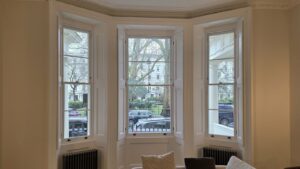
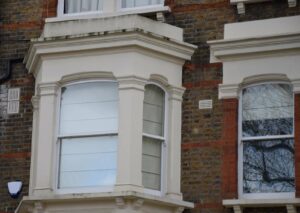
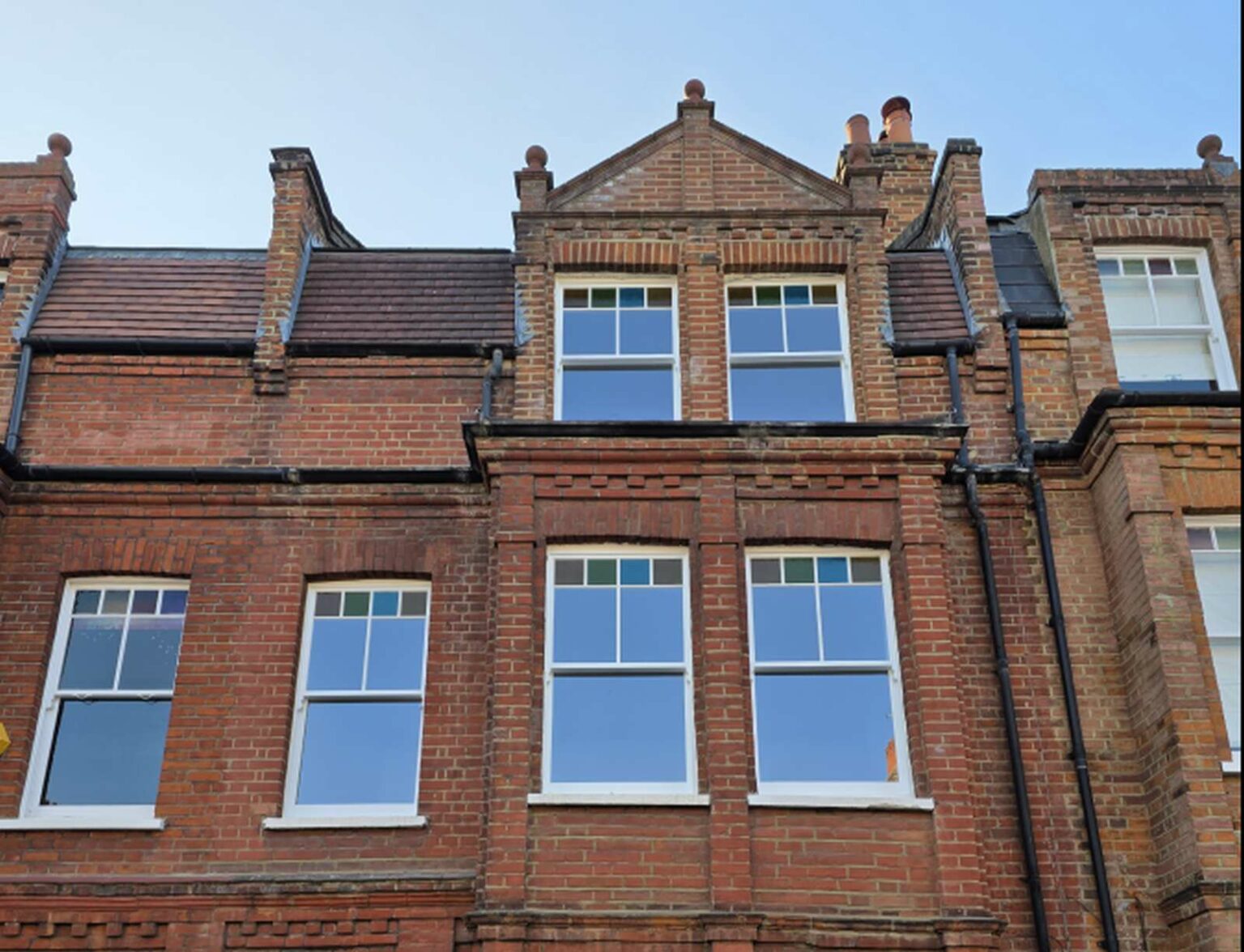
The first practical clue is often the glass layout. A Victorian sash window often has fewer, larger panes than a Georgian sash window. In many cases, there is one glazing bar through the centre of each sash, although Victorian windows can also have no glazing bars. Georgian windows more often have a greater number of smaller panes divided by narrower bars.
That is only a rule of thumb. Victorian windows were made across a long period, details vary by house, and later replacements can copy the old look. Repair A Sash therefore also looks at the internal moulding, the profile, the proportions of the upper and lower sash, the box frame and the age and character of the timber.
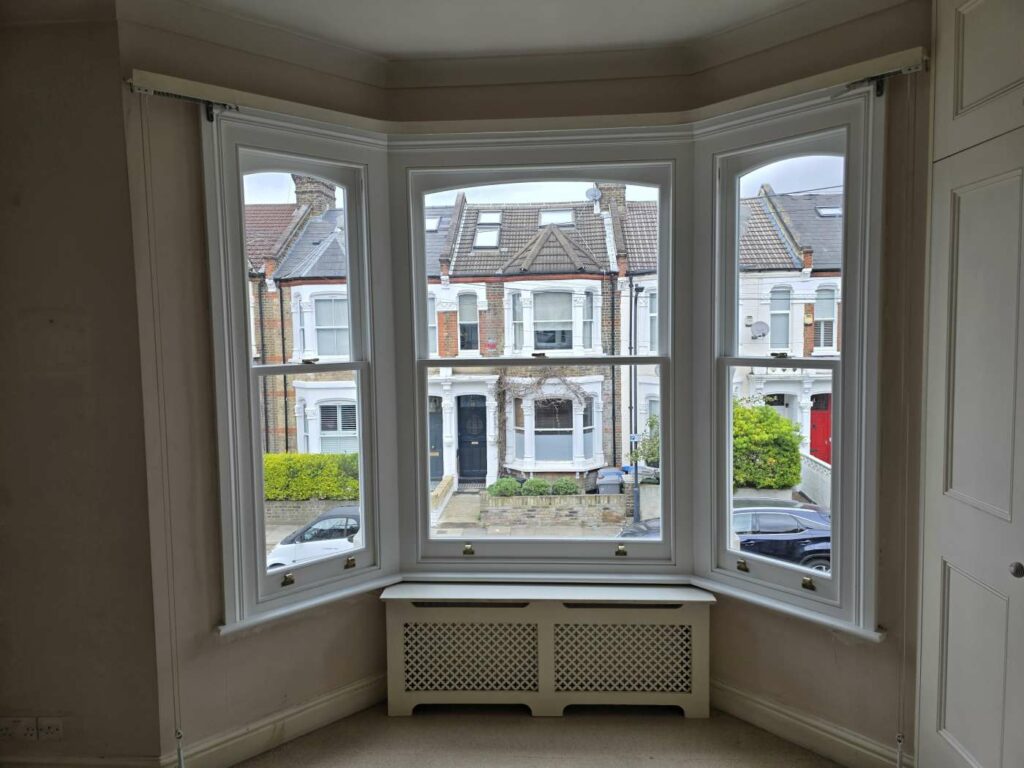
The internal profile is especially useful because it can show differences that are less obvious from the street. A later sash may copy the broad external appearance but still differ in the moulding, profile depth or way the detail is finished inside the room.
Victorian and Edwardian sashes can differ in detail and glass layout, but that does not usually change the restoration logic dramatically. The same practical questions still apply: is the box frame sound, where has water entered, what has already been replaced and how much of the original material can still be kept?
| Repair A Sash field note On site, the answer rarely comes from one detail alone. The glazing layout, internal profile, box frame, old paint layers and timber all have to be read together before deciding what is probably original and what has been changed. |
Which parts of a Victorian sash window are most likely to be original?
The box frame is often the part that survives longest. It is the fixed outer structure built into the wall, with the pulley and weight system inside it. Sashes move, receive more direct wear and are replaced more often during the life of a building. The box frame, by contrast, may still be original even when the sashes or glass have already been changed.
This matters because the box frame is usually the key decision point. If the original box is sound, much more of the window may be worth preserving. Repair, draught proofing or new sashes in the existing frame can all remain realistic options. If the box itself has failed, the project becomes much more involved.
Surviving crown glass can be another clue that a window retains older or original material. Unlike modern float glass, which has a consistently flat surface, crown glass often shows slight waves, distortions or irregularities when viewed from an angle. Where matching matters, crown glass can sometimes be sourced new or reclaimed, although it is normally more expensive than standard float glass.
Ironmongery such as catches, fasteners and other operating hardware is more likely to have been replaced over time because these are working, consumable components. Newer ironmongery therefore does not mean that the box frame or sashes are not original. The practical question is which structural parts remain sound and which visible details need to be retained for the window to keep its period character.
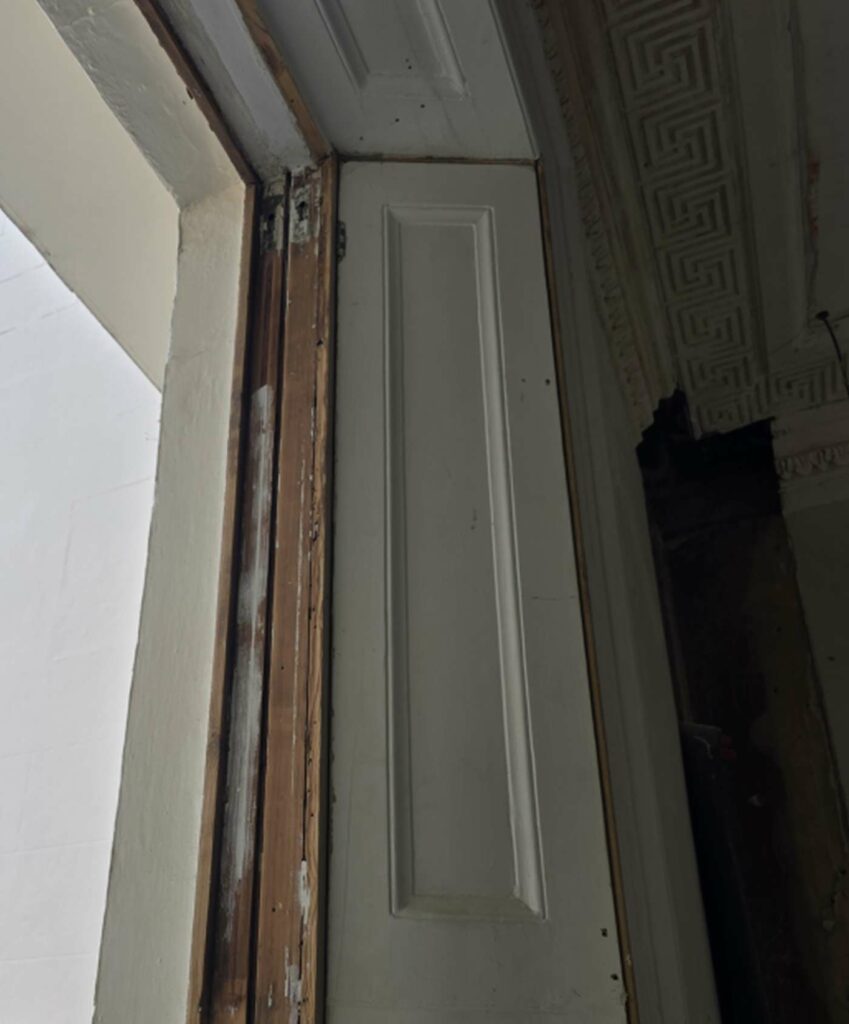
| Restoration note For many Victorian sash windows, the box frame tells the main story. If the original box is sound, repair or new sashes may preserve more of the historic window than taking the whole unit out. |
Why old timber can look worse than it really is
The outside of an old sash window can be misleading. Many Victorian sash windows have been painted repeatedly for decades. Old paint can crack, swell, peel and collect dirt. The surface may look tired or even alarming while the timber underneath is still stronger than expected.
When paint is stripped back, the condition of the timber becomes clearer. The majority of original London sash windows were made from softwood, and older softwood can be very good quality. In practice, old timber often reveals a narrower grain after paint removal, which can indicate slower growth and a denser structure.
Age alone does not determine whether a window is sound. Our guide to timber sash window lifespan and maintenance explains how protective coatings, exposure and timely repairs affect how long original joinery can remain serviceable.
This does not mean every old window should be saved at any cost. It means the decision should not be made from the pavement or from the paint surface alone. Cracks, staining and surface damage are warning signs, but they are not the same as structural failure.
| Repair A Sash inspection note A dark, cracked or heavily painted surface does not automatically tell the whole story. The real question is how far any decay has travelled into the timber and whether the surrounding structure remains strong enough to support a durable repair. |
Common problems in Victorian sash windows
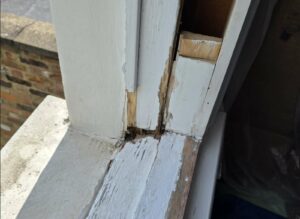
The lower parts of the window usually fail first. The cill, the bottom rail and the lower sections of the box frame are most exposed to water, rain and weather. When paint fails in those areas, water reaches the timber and small cracks can develop into more serious decay.
This is why one part of a Victorian sash window can look much worse than another. A bottom rail may be soft or cracked while the upper sash is still serviceable. A cill may need repair while the box frame behind it remains sound. The inspection should separate those parts before any recommendation is made.
Other common problems include worn or broken sash cords, loose joints, rattling sashes, draughts around the meeting rail or edges, and sashes that have become stuck after years of paint build-up. These problems are frustrating, but they do not automatically mean that the whole window has to be replaced.
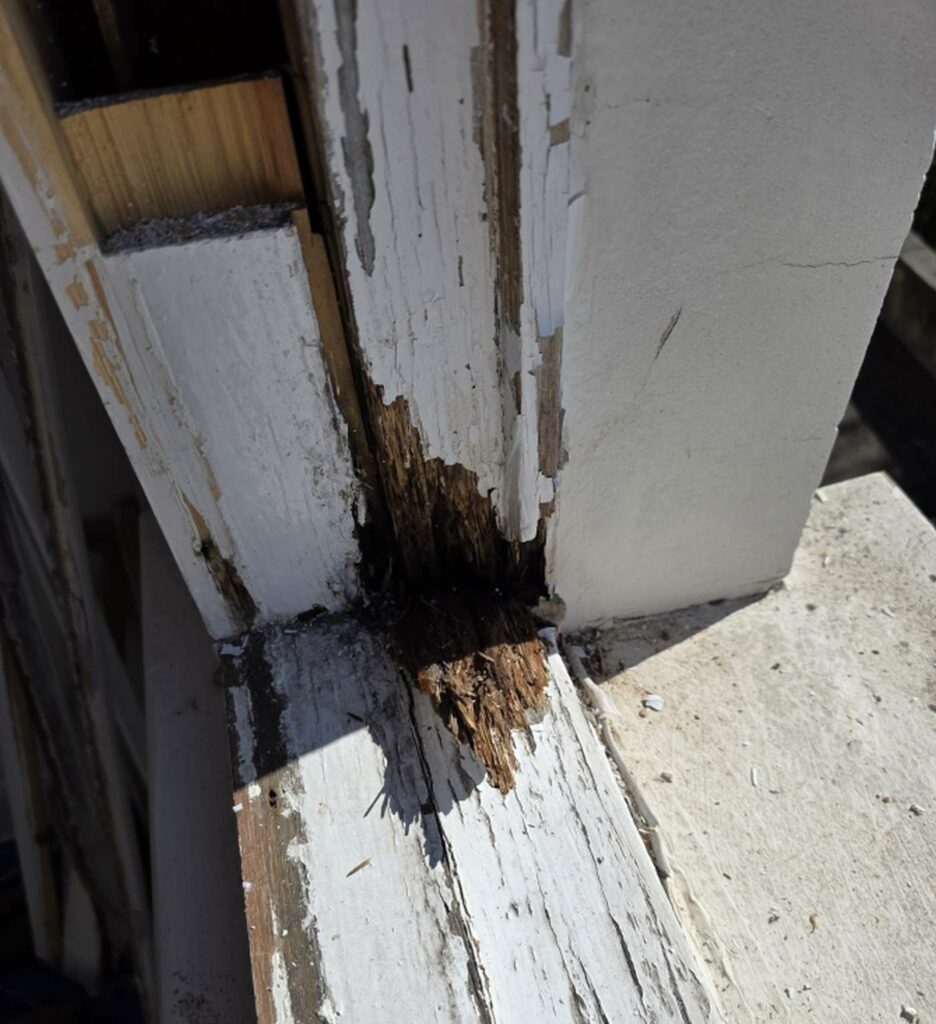
| Repair A Sash field note The lower parts tell the story first. Water sits, paint fails and timber starts to open up there before other sections. That is why the cill, bottom rail and lower box sections need careful checking before the window is written off. |
Hidden damage revealed during a sash window inspection
Some deterioration cannot be judged properly until the sash is opened, removed or cleaned. Corners and bottom rails can hide rot beneath old paint, filler or previous repair work. What looks like a surface problem may turn out to be deeper, but the opposite can also happen: a window that looks terrible outside may have more sound timber than expected.
This is why a proper inspection is different from a quick visual judgement. Once the sash is removed and the box frame is cleaned, the real condition becomes clearer. Hidden decay in the corners or lower sections can then be treated appropriately instead of being guessed at from the outside.
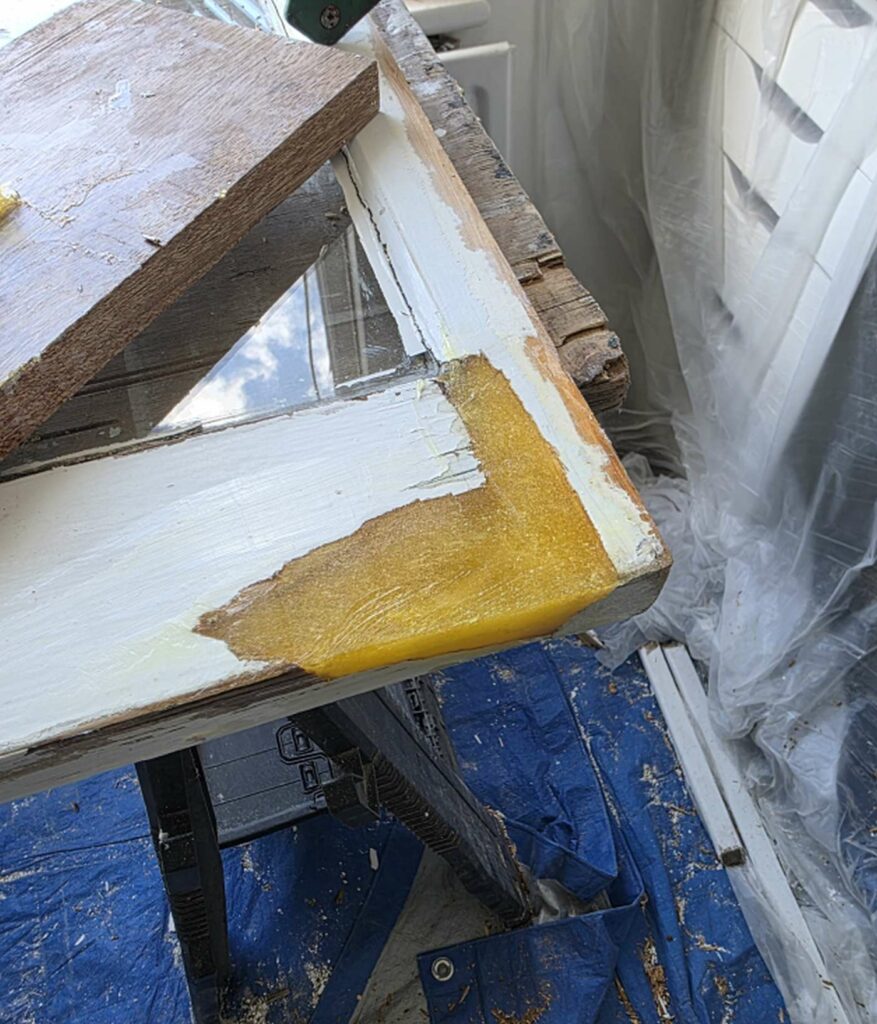
Where decay is localised and the surrounding timber remains sound, a specialist resin repair may be appropriate. Repair A Sash uses the Repair Care system for suitable localised repairs, removing failed material and rebuilding the damaged area while retaining the sound timber around it. In other cases, the affected section should be cut out and replaced with new timber. If too much of the sash, cill and lower box has failed, repair may no longer be the rational option.
What a Victorian sash window inspection should check
For homeowners, the most important practical point is simple: do not decide on full replacement before the original structure has been checked. A Victorian sash window that looks poor may still have enough sound material to justify repair or a retained-frame upgrade.
| Question to check | Why it matters |
| Is the box frame still sound? | A sound box frame can make repair, draught proofing or new sashes possible. |
| Is the rot localised or widespread? | Localised lower damage is very different from decay across the frame and both sashes. |
| Are the sashes original or already replaced? | The restoration approach changes if the original fabric has already been altered. |
| Is the damage structural or mostly surface-level? | Old paint, cracks and staining can look worse than the timber underneath. |
| Is the property listed or in a conservation area? | The best technical option may still need to respect planning or listed-building constraints. |
Restoration options for Victorian sash windows
The right restoration route depends on the condition of the window and the homeowner’s goal. The options below stay deliberately broad so this guide remains an overview rather than duplicating the dedicated repair-or-replace and conservation-area articles.
| Window condition / homeowner goal | Likely option to consider | What must be checked |
| Window mostly sound, but paint is failing or tired. | Maintenance, repainting and minor repair. | Timber condition once paint is removed, especially at the lower parts. |
| Draughty, rattling or stiff, but structurally sound. | Draught proofing and lighter renovation. | Bead condition, sash movement, cords, meeting rail and closing fit. |
| Sound box frame, but sashes are poor or already altered. | New sashes in the existing box frame. | Frame integrity, profile matching, rebate depth and visual consistency. |
| Thermal comfort upgrade wanted. | New double-glazed sashes where suitable. | Retained box depth, sash weight, counterweights, appearance and planning status. |
| Listed or conservation-sensitive property. | Check the property status first, then choose the least disruptive suitable route. | External appearance, elevation, local authority expectations and consent position. |
| Extensive rot or failed structure. | Specialist repair assessment, or full replacement if repair is no longer rational. | Full extent of deterioration, planning constraints and long-term value. |
The options usually move from less intervention to more intervention. Maintenance protects the timber. Repair deals with localised failure. Renovating and draught-proofing original sash windows can improve use and comfort without changing the basic window. New sashes can renew the moving parts while keeping the box frame, while replacement double-glazed timber sashes can provide a larger performance upgrade where the retained frame remains suitable. Full replacement should be considered when the original structure is too far gone or when a retained-frame solution is no longer practical.
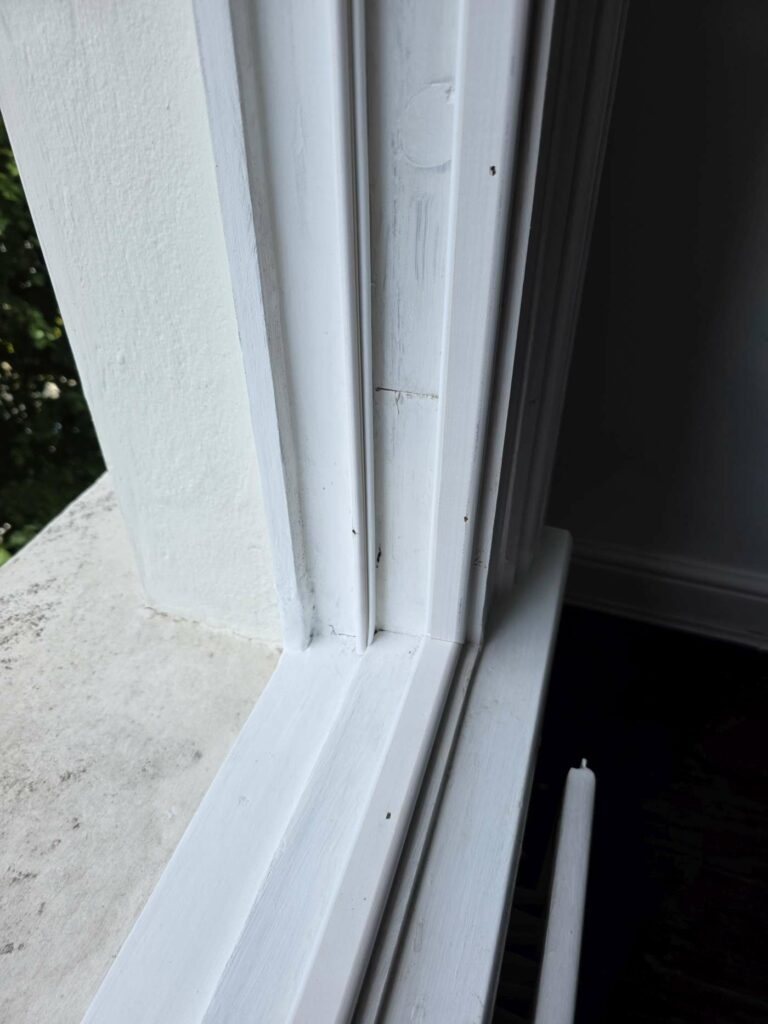
When new sashes in the existing box frame make sense
New sashes in the existing box frame can make sense when the original box is sound but the moving sashes are no longer worth repairing, or when the homeowner needs a more substantial performance upgrade without removing the whole window.
This route is especially relevant where the box frame appears original or where the building is listed or conservation-sensitive. The original frame can remain in place, while new sashes are made to match the profile, glazing bar arrangement and proportions closely. It is a middle route, not a shortcut: the retained box still has to be assessed, repaired where necessary and prepared properly.
Keeping the box frame can also be the preferred option where original shutters or extensive internal panelling surround the window. Full replacement may require those elements to be removed, altered or remade, which can increase the cost and disruption substantially and may lead to the loss of original interior features.
A separate case study will show how these decisions were applied during a Victorian sash window restoration project in Notting Hill.
Can Victorian sash windows be upgraded with slim double glazing or vacuum glazing?
Yes, but the route depends on whether the existing sashes are being retained or replaced. If the original sashes are kept, the existing rebate depth, profile, timber condition and the weight of the proposed glass all limit what can be fitted safely and neatly.
When completely new sashes are made for a sound existing box frame, their profile and rebate can be designed around the selected glazing unit. Slimline double glazing was developed to fit more easily within traditional-looking profiles and can be used in many replacement sashes made to reproduce the original design. The retained box, counterweight system, external appearance and any planning restrictions still have to be considered.
Vacuum glazing can be useful where a thinner unit and narrow sight lines are important, but it is only one part of the specification. Better glass alone does not solve every comfort or performance issue: sealing, fitting quality, draught proofing and the condition of the frame remain important.
| Technical inspection note When original sashes are retained, the existing profile and rebate set the main limits. When new sashes are manufactured, the joinery can be designed around the chosen glass, subject to the retained box, counterweights, appearance and any planning restrictions. |
Planning, listed buildings and conservation areas
Victorian sash windows are often found in listed buildings and conservation areas across London. Before changing the external appearance, profile, glazing, material or whole window structure, the homeowner should check the property status and the requirements that apply to the proposed work.
A conservation area, a listed building and an Article 4 Direction are not the same thing. Requirements can also differ by borough, property type and elevation, and the front of a building may be treated differently from the rear. The safest approach is to confirm the position with the relevant local planning authority before choosing a visible replacement or glazing change.
For one important local example, see our guide to replacing sash windows in Kensington & Chelsea under the borough’s current LDO.
Historic England provides guidance on the care, repair and upgrading of traditional windows, while the Planning Portal explains how planning rules for doors and windows can change for listed buildings, designated areas and properties affected by an Article 4 Direction.
The detailed planning considerations will be covered separately in our guide to altering sash windows in a London conservation area.
Homeowner checklist before restoring Victorian sash windows
Before commissioning restoration work, the homeowner should work through these questions. They do not replace a survey, but they help clarify what the survey should answer.
- Does the window still have its original box frame, or has it been replaced?
- Are the sashes original, or have they been changed at some point?
- What do the glazing layout and internal profile suggest about the window period?
- Are the cill, bottom rail and lower box sections structurally sound?
- Is the visible damage only surface-level, or has it penetrated the timber?
- Are there hidden defects in corners and lower rails once the sash is opened or removed?
- Is the property listed, in a conservation area or affected by an Article 4 Direction?
- Is the goal smoother function, less draught, better thermal comfort, noise reduction or preservation?
- Can the existing sashes take the proposed glazing, or would new sashes be needed?
- Would new sashes in the existing box preserve more character and surrounding joinery than full replacement?
FAQ about Victorian sash windows in London
Look at the glazing layout, glazing bars, proportions and internal profile together. A single central glazing bar can be a Victorian clue, although some Victorian windows have none, while Georgian windows often have a greater number of smaller panes. No single detail is definitive, and later reproductions can copy period styles.
The majority of original Victorian sash windows in London were made from softwood. Older softwood can be particularly durable where the grain is narrow and the timber has remained protected from prolonged water exposure.
Often, yes. If the box frame is sound and the deterioration is localised, repair or retained-frame restoration can preserve original material and extend the life of the window. The decision should be based on inspection, not only on surface appearance.
The lower parts usually fail first. The cill, bottom rail and lower sections of the box frame take the most water and weather exposure, especially when paint protection has failed.
Yes, if the rot is localised and the surrounding timber is still strong. Depending on the location and extent of decay, the failed timber may be cut out and replaced or treated with a specialist resin repair system. If decay is widespread across the sashes and box frame, repair may stop making sense.
Yes. If the box frame and sashes are broadly sound, draught proofing can improve day-to-day comfort without changing the glass or external appearance. It is often a proportionate first step when the main issue is air movement rather than structural failure.
Yes. When original sashes are retained, suitability depends on their profile, rebate depth, timber condition and the weight of the glass. When new sashes are manufactured for the existing box frame, the profile can be designed around slimline double glazing, vacuum glazing or another suitable unit, subject to the retained frame, counterweights, appearance and planning requirements.
If the box frame is sound, replacing only the sashes can preserve more of the original window and reduce disruption. It can be especially useful where original shutters or internal panelling would be disturbed by full replacement. Full replacement is more relevant when the box frame and main components have failed.
It depends on the property and the work proposed. Listed status, conservation-area controls and Article 4 Directions can affect what is allowed. Changes to external appearance, material, glazing or profile should be checked with the relevant local planning authority before work starts.
Paint failure, staining and cracked surfaces do not always show the true condition of the timber underneath. Once old paint is removed and the sash is opened or taken out, the structure may prove sounder than the outside appearance suggested.
Reviewed by / sources / technical notes
Reviewed by: Borislav Čakarević, Repair A Sash
Last updated: 28 July 2026
Sources: Repair A Sash expert interview with Borislav Čakarević; Repair A Sash project photographs, where used; Historic England – Traditional Windows: Their Care, Repair and Upgrading; Planning Portal – Doors and Windows: Planning Permission.