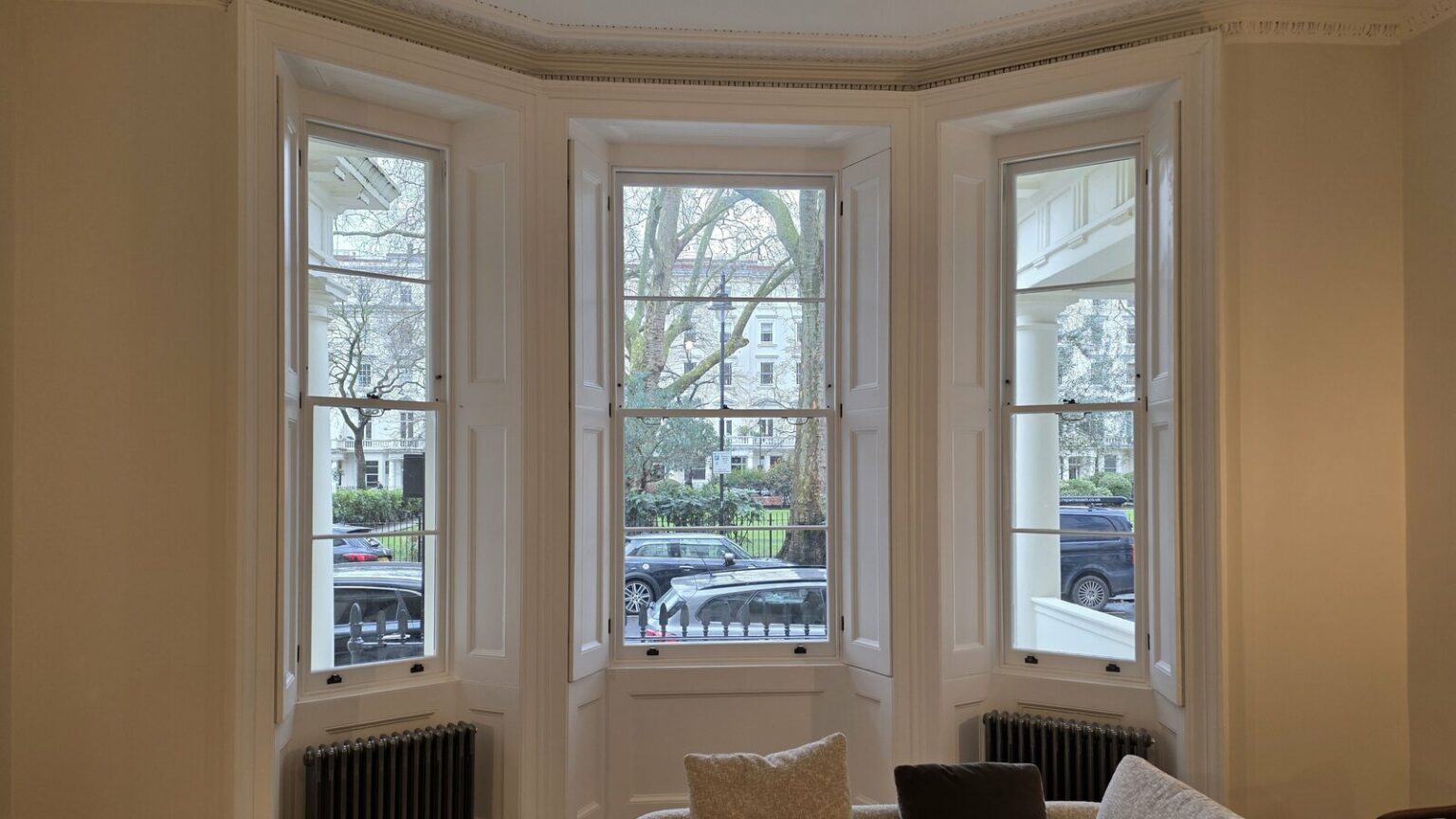
When outside noise is most noticeable beside a sash window, the practical question is not whether glass matters. It is how much of the weakness can be improved by tightening the existing window, upgrading the moving sashes or replacing the complete window with a tested acoustic specification.
Those options do not offer the same level of control. Draught proofing can reduce noise passing through avoidable gaps, but it does not change the acoustic performance of the glass. New glazed sashes can improve the glazing and fit while retaining a sound box frame. Where a higher and more clearly specified reduction is required, a complete new timber sash window allows the glass, sashes, seals and frame to be selected as one assembly.
Repair A Sash does not provide a formal acoustic survey or measure the percentage of noise entering through each part of a room. We inspect the window, explain the work that can be carried out at the opening and help the homeowner choose a proportionate option. If a project requires a guaranteed internal noise level or a specialist acoustic report, that must be defined separately.
Quick answer: can sash windows reduce outside noise?
Yes. A serviceable sash window may become noticeably quieter after renovation and draught proofing if loose fit and open gaps are an important part of the problem. If the glass or the construction of the existing window limits the result, the next options are new glazed sashes in a retained box frame or a complete new acoustic timber sash window.
For the most demanding window-level specification, complete replacement normally offers the greatest control because the rating can relate to the tested window as a whole rather than to the glass alone. Repair A Sash can offer complete timber sash windows from manufacturer-tested acoustic ranges, subject to the size, profile, wall depth, planning context and practical limits of the opening.
| REPAIR A SASH FIELD NOTE Draught proofing, new sashes and complete replacement solve different levels of the problem. The recommendation starts with the condition of the existing window and the level of improvement the homeowner expects. |
What Repair A Sash checks before recommending an option
The site visit is a window survey, not an acoustic consultancy exercise. We discuss the main source of disturbance and the room in which it matters, then inspect the parts of the sash window that affect the available work:
- how the upper and lower sashes move, close and meet;
- gaps, rattling and the fit at the meeting rails, staff beads and parting beads;
- the condition and alignment of the sashes, cords, weights and locks;
- the structural condition of the existing box frame;
- the current glazing and the space available for a different unit;
- the opening and wall depth where a complete replacement is being considered.
This inspection is sufficient to distinguish between a repairable fit problem, a retained-box upgrade and a likely full-replacement project. It does not establish a measured before-and-after acoustic result, and it cannot promise that treating the window will remove noise transmitted through walls, roofs, doors or other parts of the property. Those wider routes are relevant as a limit, but they are not the focus of the Repair A Sash survey.
Three window options for reducing noise
| Repair A Sash option | When it can make sense | Important limit |
| Draught proofing and renovation | The timber is serviceable but the sashes rattle, meet unevenly or have avoidable perimeter gaps. | Improves fit and leakage only; it does not upgrade the acoustic performance of the glass. |
| New glazed sashes in the retained box | The original box frame is sound, but better-fitting sashes and a different glazing build-up are required. | Glass data cannot automatically be treated as a tested rating for the complete retained-box window. |
| Complete new acoustic timber sash window | A higher level of window performance is required, or the existing box and sashes cannot support the intended upgrade. | The available rating still depends on the exact product, opening dimensions, wall depth and installation. |
1. Draught proofing and renovation
The Repair A Sash sash window draught proofing and renovation service is intended for windows whose timber and box frame remain broadly serviceable. The sashes are overhauled so that they move correctly, and an appropriate sealing system is introduced at the working junctions. Worn beads, cords, weights and local alignment problems can be addressed where required.
This can help where sound is passing through the same unnecessary openings that allow draughts, whistles and rattling. Its limit is equally important: once the window fits and seals as well as the retained construction allows, further improvement depends on the glass and the rest of the assembly. Draught proofing should therefore be sold as a practical first level of noise reduction, not as complete soundproofing.
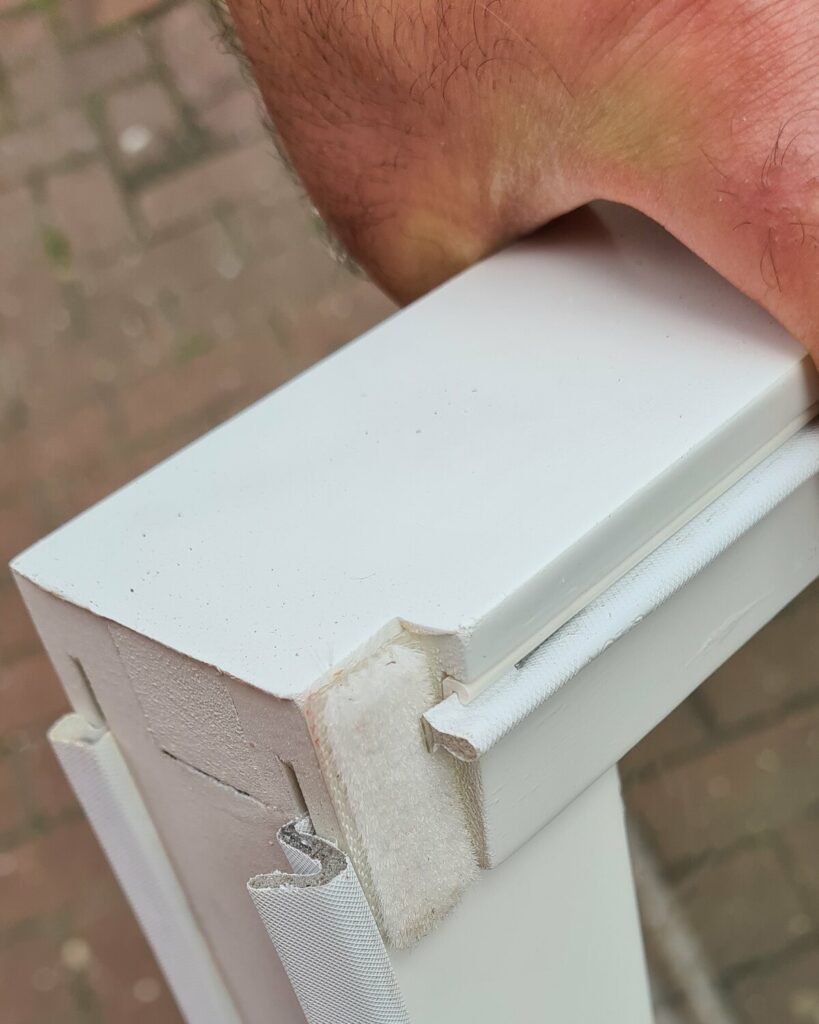
This is consistent with Historic England’s guidance on draught proofing older windows, which identifies good fit and draught proofing as relevant to noise insulation while retaining the operation of the historic window.
| REPAIR A SASH PRACTICAL LIMIT If the main complaint remains after obvious gaps and rattling have been addressed, adding more seals is not the answer. The next decision is whether the existing box can take new acoustic sashes or whether a complete new window is the more suitable route. |
2. New glazed sashes in a retained box frame
Where the original box frame is structurally sound, Repair A Sash can manufacture and fit new double-glazed sashes in the renovated existing box. This allows the moving sashes, seals and glazing to be upgraded without removing the complete window from the wall.
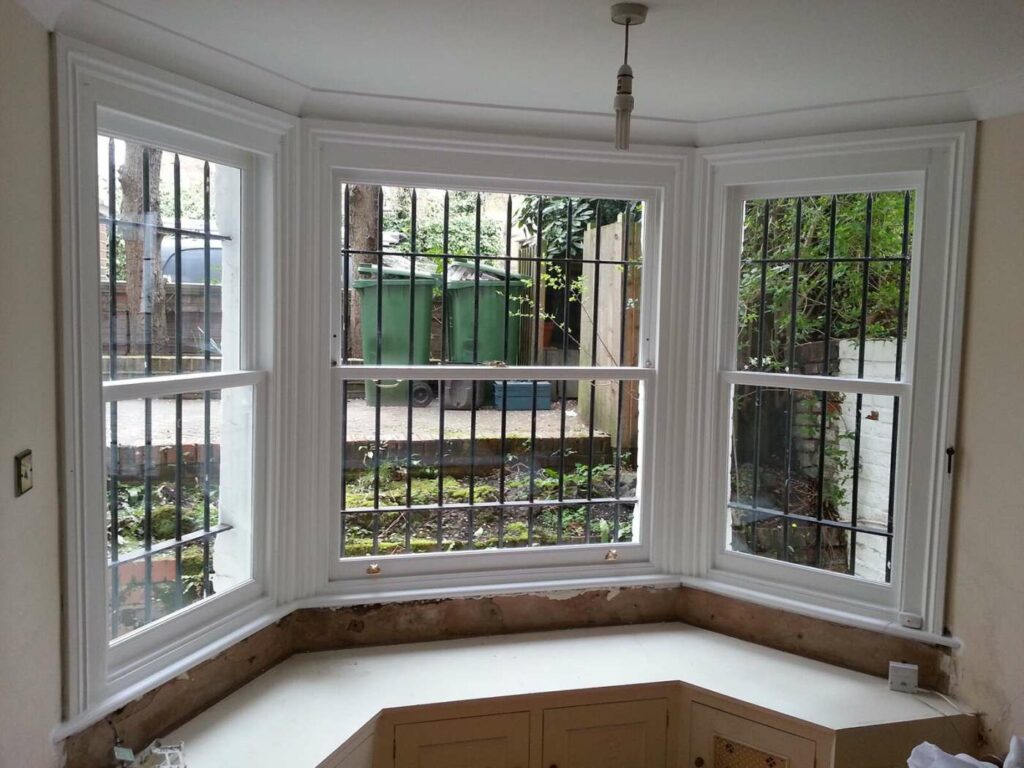
For noise reduction, the glazing build-up matters more than the label ‘double glazing’. Pane thickness, laminated layers, asymmetry and cavity design can produce different results. The chosen unit must also fit the available sash profile and be balanced correctly so that the window continues to operate.
This retained-box route can be a sensible middle option, but it should not inherit a whole-window dB claim from the glass alone. The existing box, junctions and installation remain part of the finished result. Detailed glass types are covered in our sash window glass guide.
3. Complete acoustic timber sash windows
When the acoustic target is higher, or the existing window cannot support the required upgrade, complete new timber sash windows allow the frame, moving sashes, weather seals and glazing to be specified together. This is the category of product homeowners often mean when they ask for a ‘soundproof sash window’, although noise-reducing is the more accurate description.
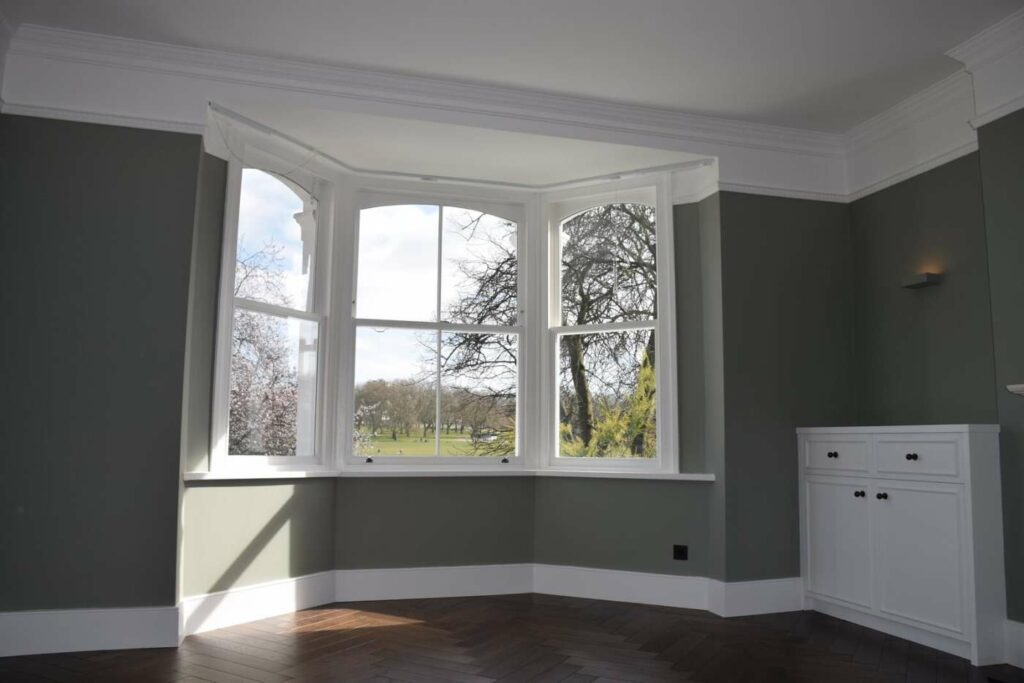
Repair A Sash can offer complete acoustic timber sash windows from tested manufacturer ranges. Available whole-window Rw specifications include 33, 38, 41 and 42 dB for the corresponding tested configurations. These figures apply to the complete tested window – frame and glazing together – rather than to the glass in isolation.
Published whole-window ratings for tested timber sash windows
The current manufacturer’s acoustic data report for timber sliding sash windows lists the following laboratory results for the exact tested configurations:
| Whole-window Rw | C; Ctr | Tested glazing-unit configuration |
| 33 dB | -1; -5 | 4/16Ar/4ESGT |
| 38 dB | -1; -4 | 8.8/12Ar/4ESGT |
| 41 dB | -1; -6 | 8.8/20Ar/6ESGT |
| 42 dB | 1; -5 | 8.8/16Ar/9.5T |
The report states that these values were derived from BS EN ISO 10140-2 laboratory testing of the acoustic glazing and the complete window, with an Exova test report and Bluesky certification identified by the manufacturer. This is more useful than quoting a glass-only figure, because the frame and seals are included in the tested assembly.
Rw is a laboratory sound reduction index. The Ctr correction helps interpret performance against sound spectra such as urban road traffic. Pilkington’s Noise Control with Glass bulletin gives a useful rule of thumb for comparing decibel differences: a 3 dB change is barely perceptible, a 5 dB change is clearly noticeable, and a 10 dB difference corresponds to roughly halving or doubling the perceived noise. These reference points help explain the scale of the differences between tested ratings. They do not mean that a product’s Rw rating predicts the exact reduction inside a finished room; product size, installation and other parts of the building still affect the result on site.
The opening can limit the available specification
The highest catalogue rating is not automatically the right or physically possible option. A thicker glazing build-up and deeper complete window have to fit the opening, preserve acceptable internal proportions and avoid projecting excessively into the room. Window size, profile, counterbalance requirements and planning constraints may also narrow the choice.
| REPAIR A SASH PROJECT NOTE On one anonymised London project, 38 dB Rw was the highest whole-window specification compatible with the available wall depth. A deeper option would have projected approximately 50 mm or more into the room. The opening therefore set the practical limit, even though higher-rated products existed in the range. |
What whole-window ratings do (and do not) promise
A whole-window test gives a stronger basis for comparing products than a glass-only headline. It still does not measure the completed bedroom, account for every wall or roof junction, or guarantee that a homeowner will describe the result as quiet. A 38 dB or 42 dB Rw rating belongs to the exact tested window configuration under laboratory conditions.
Repair A Sash does not carry out specialist pre- and post-installation noise measurement as part of the standard window survey. We can inspect the opening, identify the window work that is feasible and specify an appropriate tested product. Where a planning condition, development brief or personal target requires a quantified internal noise level, an acoustic consultant should define and verify that separate requirement.
This distinction also helps with the word ‘soundproof’. It is widely used in homeowner searches and by specialist suppliers, but no sash-window intervention should be presented as a guarantee of silence in every property. Repair A Sash can offer noise-reducing timber sash windows built around verified whole-window data, with the achievable specification explained before manufacture.
How to choose between repair, new sashes and full replacement
The decision is not based on noise alone. It also depends on the condition and value of the existing timber, whether the box frame is worth retaining, the depth available for glazing, the external appearance and the budget for the project.
If the existing window is broadly sound and leakage is the main weakness, renovation may be proportionate. If the box is sound but the sashes and glass need upgrading, retained-box replacement may be appropriate. If the complete assembly or the target requires more control, full replacement becomes the stronger option. Our repair-or-replace guide explains the wider condition decision. Where surface appearance may conceal structural decay, also see our guide to hidden rot in sash windows.
Planning and heritage constraints
Acoustic improvement may change glazing thickness, reflections, profiles or the complete window construction. Listed status, conservation-area controls, Article 4 Directions, lease obligations and local planning requirements can therefore affect what is acceptable. Use our London conservation-area guide and listed-window restoration guide for the wider checks. Homeowners in the borough can also use our guide to replacement-window rules in Kensington & Chelsea.
Repair A Sash can advise on a window specification and period-appropriate detailing, but the necessary consent should be confirmed before manufacture where planning or listed-building controls apply.
What homeowners should tell us before the visit
- the main noise source – such as road traffic, voices, aircraft, deliveries or late-night street activity – and when it is worst;
- the room, elevation and specific windows where the problem is most noticeable;
- whether the sashes rattle, whistle, close badly or show visible gaps at the meeting rails and beads;
- the current glazing and any earlier repair, replacement or sealing work;
- whether the aim is a noticeable comfort improvement or a quantified acoustic target;
- whether the property is listed, in a conservation area or subject to lease/freeholder restrictions;
- clear internal and external photographs and approximate opening dimensions, if requesting an initial discussion remotely.
Discuss the right noise-reduction option for your sash windows
If outside noise is a priority, contact Repair A Sash with photographs and a short description of the affected windows and the main noise source. We can arrange a free survey and advise whether renovation, new glazed sashes or a complete acoustic timber sash window is the proportionate next step.
FAQ about sash window noise reduction in London
Yes, where avoidable gaps and loose sash fit are part of the weakness. It can improve the path around the moving sashes, but it does not change sound transmission through the glass and should not be described as complete soundproofing.
New sashes can be appropriate where the existing box frame is sound and the target can be met with better-fitting sashes and a suitable glazing build-up. A complete new window normally provides greater control where a higher acoustic specification is required or the retained box cannot support the intended result.
In the manufacturer data cited above, it is the laboratory Rw rating for the exact complete window configuration – frame, seals and glazing together. Pilkington’s comparison guide helps put differences into perspective: 3 dB is barely perceptible, 5 dB is clear and 10 dB roughly halves or doubles perceived noise. It is still not a reading of the finished room or a guarantee that every property will experience the same numerical change.
Not as part of the standard sash-window survey. We assess the window and the feasible repair or replacement options. A project requiring a formal acoustic report, measured internal target or before-and-after verification should involve an acoustic consultant.
No. Different pane thicknesses, laminated layers, cavities and complete unit configurations can perform differently. The product data for the exact build-up should be checked, and the unit must be suitable for the sash or complete window in which it will be installed.
A well-specified acoustic timber sash window can provide substantial noise reduction, but ‘soundproof’ should not be treated as a promise of complete silence. The final experience depends on the tested window, the installation, the opening and other parts of the building.
Publication details and sources
Reviewed by: Borislav Čakarević, Repair A Sash
Last updated: 13 August 2026.
Technical and independent sources:
- Manufacturer acoustic data report for the tested timber sliding sash range
- Historic England – Draught-proofing Windows and Doors
- Pilkington – Noise Control with Glass technical bulletin